


Are you looking for the best winter flowering plants in India for your home garden? Below, Below, I’ve listed 20 beautiful blooms along with their scientific names and a few simple care tips to help you get started.
Winter is the best time to add natural colors in your garden with many flower beauties. During these months, you get flowers in so many different shapes, sizes, and bright colors. These plants are great for any Indian home because they grow very fast, fill up empty spaces in your pots, and are easy to replace when the season change.
1. Chrysanthemum (Guldaudi)
Scientific name: Chrysanthemum spp.

In India, we call these Guldaudi, and no winter garden is complete without them. These Chrysanthemum plants are famous for their freshness and long-lasting. They stay fresh even for weeks! Come in multi colors like yellow, white, purple, and maroon. See complete details about Yellow and White Chrysanthemums plants.
To get the most flowers, you should keep your pots at the place where the plant can get more sunlight. They need that 5-6 hours of morning sun to really open up. Also, never overwater them. I always tell people to check the soil with their finger first—if it feels damp, so you should wait for next day.
A big mistake is wetting the leaves while watering, which can cause black spots, so just pour water near the roots. If you take care of these small things, your Guldaudi or Chrysanthemum plant will look amazing all season.
Uses: Decoration, bouquets, medicinal, herbal tea, landscaping.
2. Poinsettia (Christmas Plant)
Scientific name: Euphorbia pulcherrima
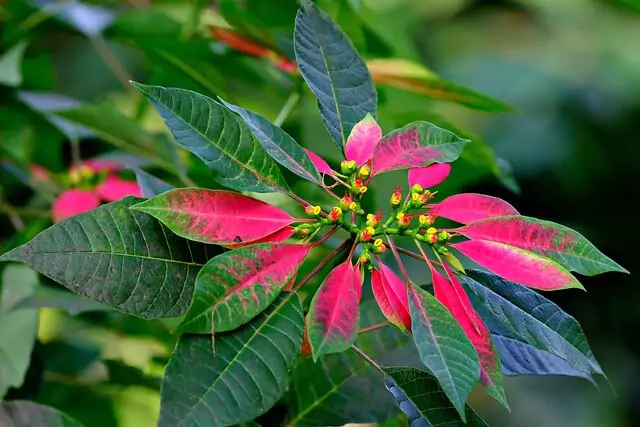
Poinsettia is another popular winter plant. It is widely used for its bright red and green leaves. These winter plants bloom in end of the year around and is often used to decorate homes. This easy to grow plant is ideal for adding color and charm to your winter garden or indoor spaces.
Uses: Festive, indoor decor, Christmas decorations
3. Primula (Basanti Phool)
Scientific name: Primula spp.

Primulas, also called primroses, if you have area with little sun light, Primulas are perfect! Their flowers are some of the first one to bloom in spring. They come in bright colors and grow well in shady areas. You can grow them in containers, on balconies, in small gardens, and indoor as well.
Uses: Ornamental purposes in gardens and homes.
4. Calendula (Pot Marigold / Zarda)
Scientific name: Calendula officinalis
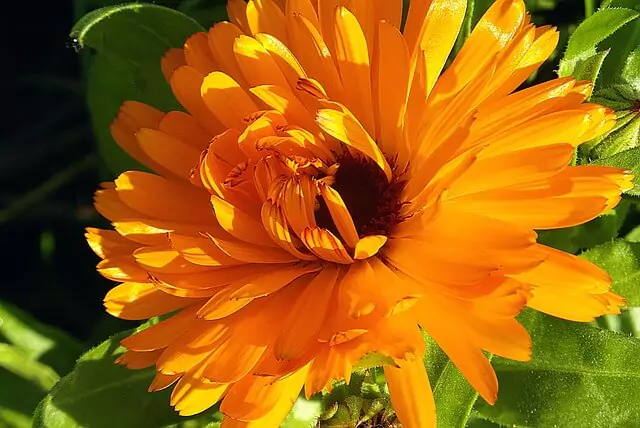
Calendulas or pot marigolds are bright yellow and orange-colored. Being easy to grow from seeds, these plants are suitable for pots and flower beds. Edible Calendula flowers are used in tea and salad, making it one of the beautiful and utilitarian plants in the garden.
Uses: Medicinal uses and ornamental purposes.
5. Cineraria
Scientific name: Pericallis × hybrida
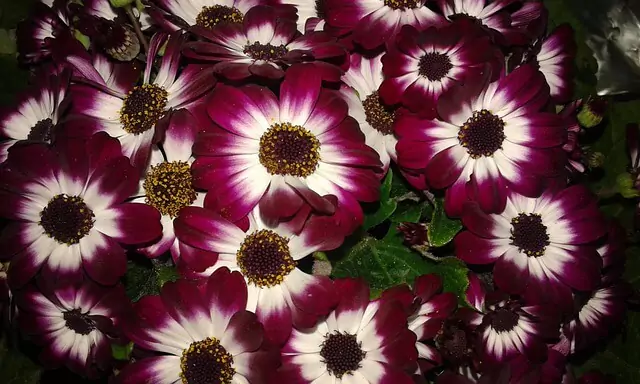
Cineraria plant is perfect for any garden used as ornamental decorative purposes. Its beautiful and vibrant flowers come in bold colors like pink, purple, blue etc.
With low-maintenance it can be grow easily in pots, once established striking blooms can brightens up any corner of your garden.
Uses: Decorative, often used in winter gardens and floral arrangements.
6. Snapdragon (Dog Flower / Majnu Phool)
Scientific name: Antirrhinum Majus
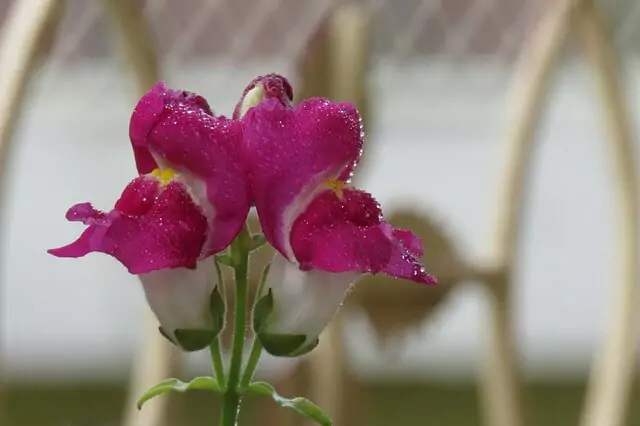
Snapdragons has their unique shape. Its flowers bloom with a charming appearance, often look like a dragon’s mouth that opens and closes when squeezed! They are easy to grow, require minimal care and can be grow in pots as well.
Uses: Used in gardens and as cut flowers in floral arrangements.
7. Kalanchoe (Patharchatta)
Scientific name: Kalanchoe spp.

Kalanchoe is a succulent plant with thick leaves and colorful flowers that make a good choice for small types of areas or windowsills. These flowers can be grow outdoors, or indoors as well, and the bloom for a long time.
Uses: Used as an ornamental indoor plant.
8. Geranium
Scientific name: Pelargonium spp.

Geraniums bloom year-round, even in winter – they’re tough like that! You can grow them anywhere: pots, window boxes, or garden beds and they don’t needs much fuss.
Give them about 4 hours of sun, water only when soil feels dry (stick your finger in to check!), and pick off dead flowers to keep new ones coming. Seriously, for minimal price for a plant, you’ll get years of color on your balcony or garden corner.
9. Alyssum
Scientific name: Lobularia Maritima

Alyssum Made Simple
Got alyssum in my garden. Tiny flowers – white, pink, purple ones. Smells like honey when blooming, honest! Good stuff:
- Brings bees/butterflies
- Ladybugs come eat aphids (free pest control!)
- Spreads as ground cover
- Survives hot Indian balconies in pots
You may also be interested in seasonal plants guide.
10. Pansy (Titli Phool / Butterfly flower)
Scientific name: Viola tricolor var. hortensis

Pansies are popular due to their color and pattern varieties. Their flowers last weeks, even in cold. Stick them in pots or containers – easy to move around for instant color wherever you want it.
Uses: For gardens beauty, grow in pots, and as ornamental flowers.
11. Cyclamen
Scientific name: Cyclamen persicum

Cyclamen – Simple Growing Facts
That cyclamen plant? It’s got leaves shaped is unique like heart and flowers with petals curling backwards. You’ll find them in pinks, whites, reds. They’re shade lovers – put them indoors near windows but not in sun, or outside under trees. Water only when the dirt feels dry when you poke it. Good for spots where sun plants won’t grow – like covered patios or bookshelves.
12. Nasturtium (Jal Kumbhi)
Scientific name: Tropaeolum majus

Nasturtiums – Edible & Easy Flowers
Nasturtiums throw out bright yellow and orange blooms you can actually eat – flowers AND leaves, and can be used in salads and other dishes. The spicy mixed taste will add a unique addition to your salads, and they attract helpful insects too. Nasturtiums don’t need much water, so perfect for gardens where water is limited.
Uses: Used in culinary dishes and for ornamental purposes.
13. Stock
Scientific name: Matthiola incana
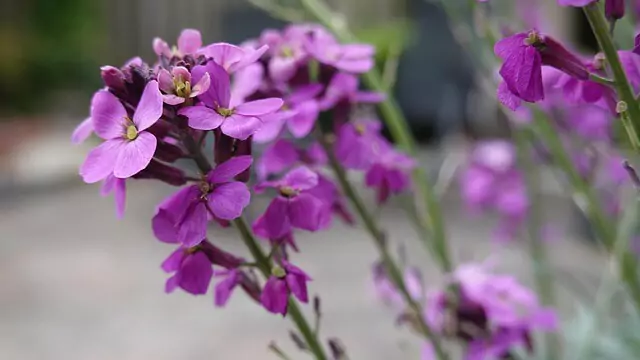
Stock flowers adds a lovely, spicy-sweet fragrance to any space. Its flowers blooms in many bright colors like pink, purple, and white and often used in bouquets. With sweet, clove-like fragrance Stock flowers can last for up to a week in a vase, make them a popular choice for flower arrangements.
Uses: Ornamental use in gardens and containers.
Also check out the beautiful Petunia flower season.
14. Sweet Pea (Meethi Matar)
Scientific name: Lathyrus odoratus
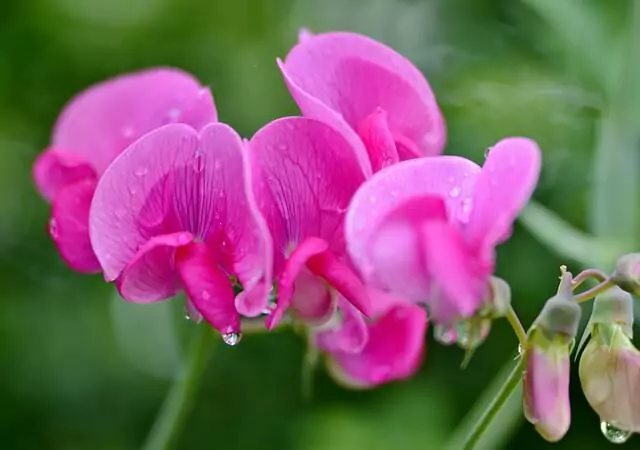
Sweet Peas climb to grow on trellises, fences, or other vertical structures fast. Smell great, bloom colorful climbing vines. Good for Indian gardens.
Used as a cut flower in arrangements and for ornamental use.
15. Lobelia
Scientific name: Lobelia erinus
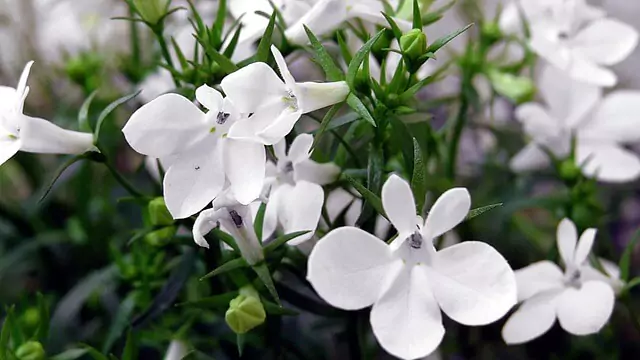
Lobelia: Small blue, purple, white flowers. Grows downward. Blooms spring to winter cold. Plant them in baskets, pots, or ground cover and for more flowers trim long stems sometimes.
16. Winter Jasmine (Peeli Chameli)
Scientific name: Jasminum nudiflorum
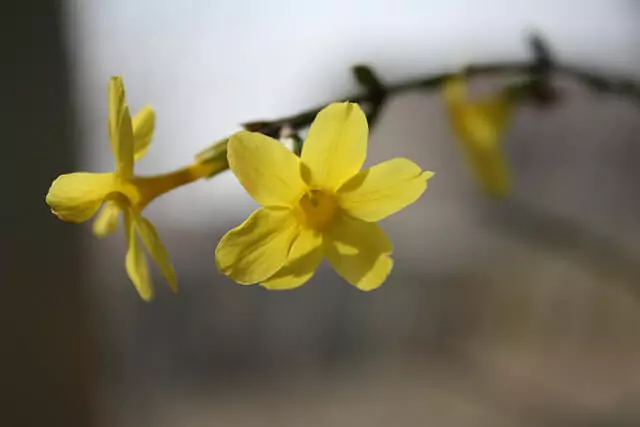
Winter Jasmine wakes up early. It blooms bright yellow flowers in December-February when other plants sleep. Gives sweet smell in cold months. Tough plant for Indian cold season.
Uses: Ornamental, used for adding fragrance to gardens.
17. Petunia
Scientific name: Petunia × atkinsiana
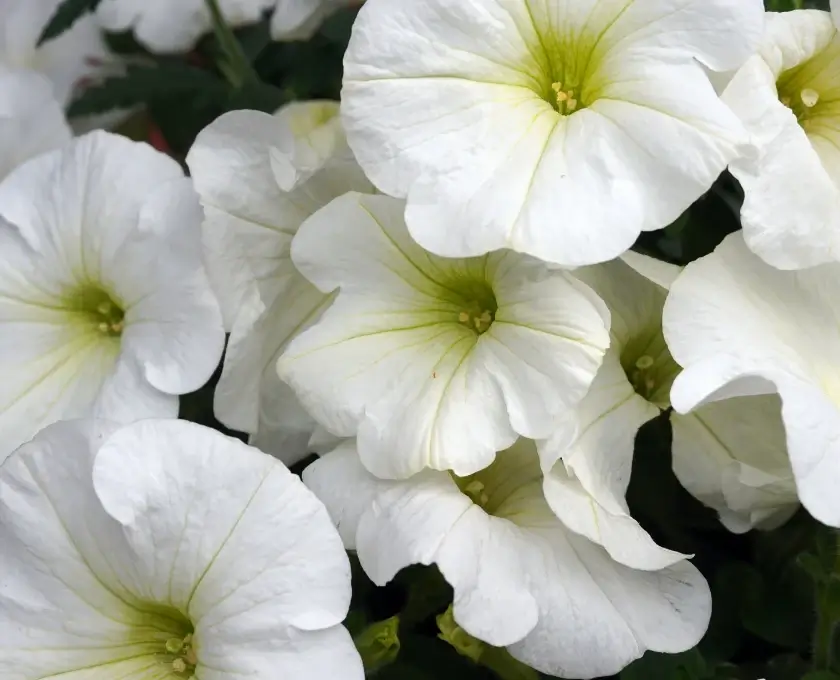
Petunias are one of the best flowers for a winter garden because they bloom a lot at the same time. They come in many colors and multiple shades like purple, pink, and even mixed or striped shades. Petunias plant can be grow easily in hanging baskets and balcony pots, the flowers grow and fall over the sides.
You can check out my guide on Petunia Season in India.
Uses: Hanging baskets, balcony pots, mass planting, window sills.
18. Dahlia
Scientific name: Dahlia pinnata
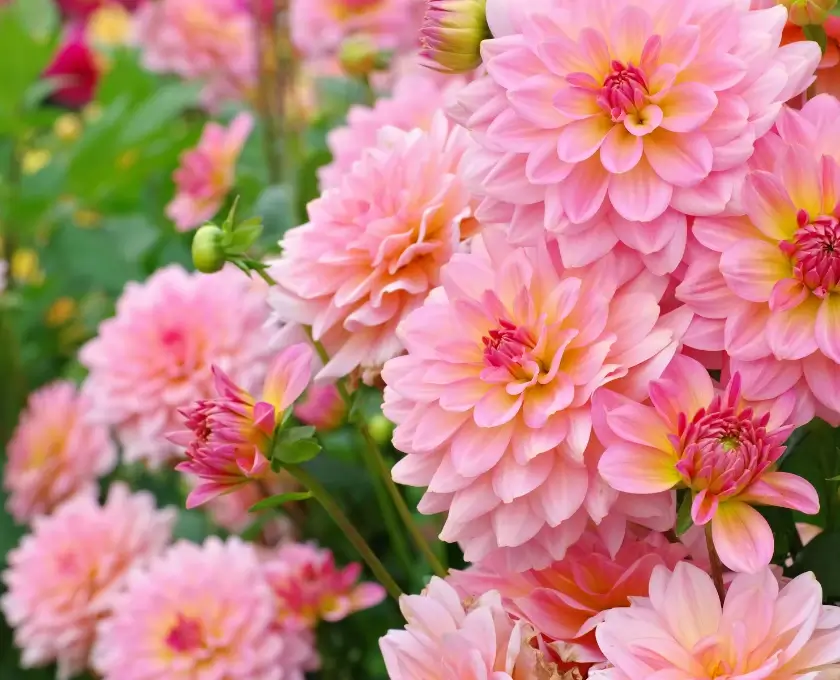
Honestly, if you want a flower that makes everyone stop and stare, I always recommend Dahlias. Some of these can grow as big as a dinner plate (I’m not kidding!). But because the heads are so heavy, we have to tie them to a wooden stick or bamboo support, otherwise, a little bit of wind will just snap the stem.
I’ve found that they are quite “hungry” plants, so you’ll need to give them some good fertilizer every two weeks if you want those massive blooms. It’s a bit of a task to manage them, but when that first big flower opens up, it feels totally worth the effort.
19. Salvia
Scientific name: Salvia splendens
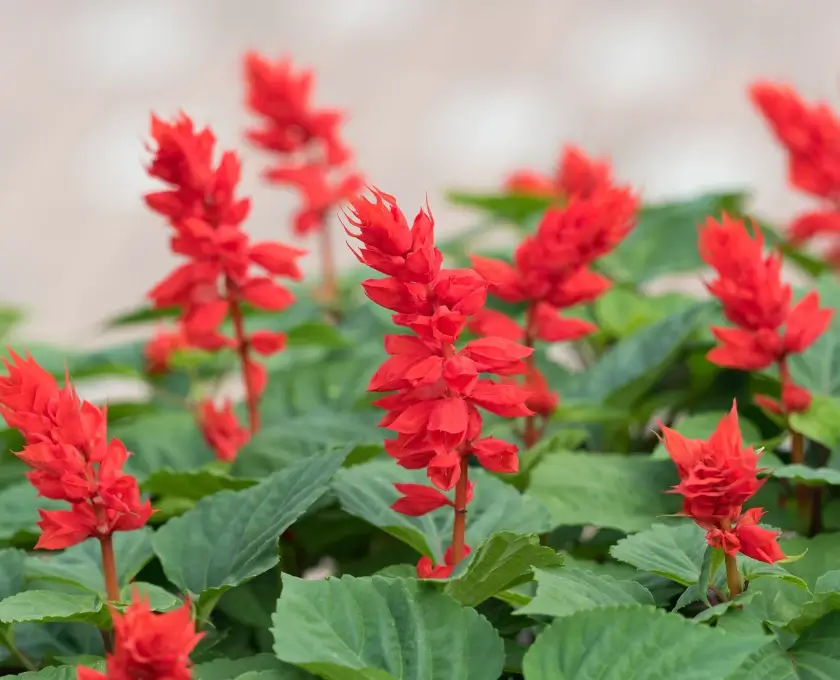
Salvia If you want that bright red look, many plant lovers suggest Salvia. It grows in tall spikes (looks like little red towers!) and stays colorful for weeks and make the garden feels great. In my experience, they do best in the morning sun but need some shade when it gets too hot in the afternoon.
You will notice about the stems, they are a bit soft, so be nice and don’t hit them with a heavy water pipe or they might break. We usually plant them in clusters to make the color pop.
Uses: Flower beds, attracting birds, garden borders, public parks.
20. Marigold (Genda)
Scientific name: Tagetes erecta (African) or Tagetes patula (French)
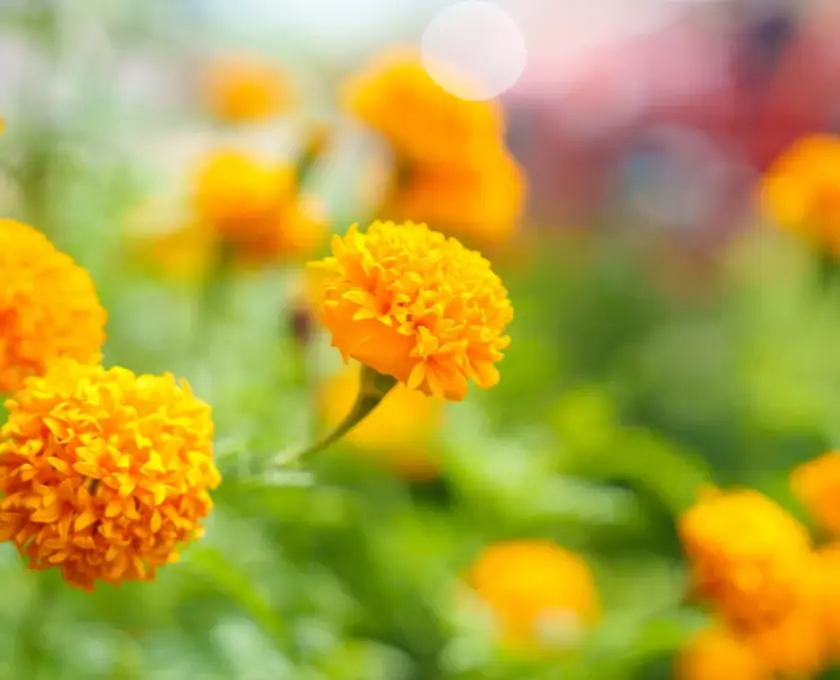
Marigold (Genda) You can’t really have an Indian winter garden without a few pots of Genda. I always tell my customers that if you are a beginner, this is the first plant you should buy because it’s almost impossible to kill. They love the full sun (at least 6 hours) and don’t need much care, but I’ve noticed they bloom much better if you keep pinching off the dried-up flowers with your fingers.
One thing we do at the nursery is plant them near our vegetable pots because the strong smell of the leaves actually keeps many bad bugs away. It’s like a natural shield for your garden! Just make sure you don’t overwater them, or the roots might start to rot in the cold soil.
Uses: Decor, mosquito repellent, easy borders etc.