

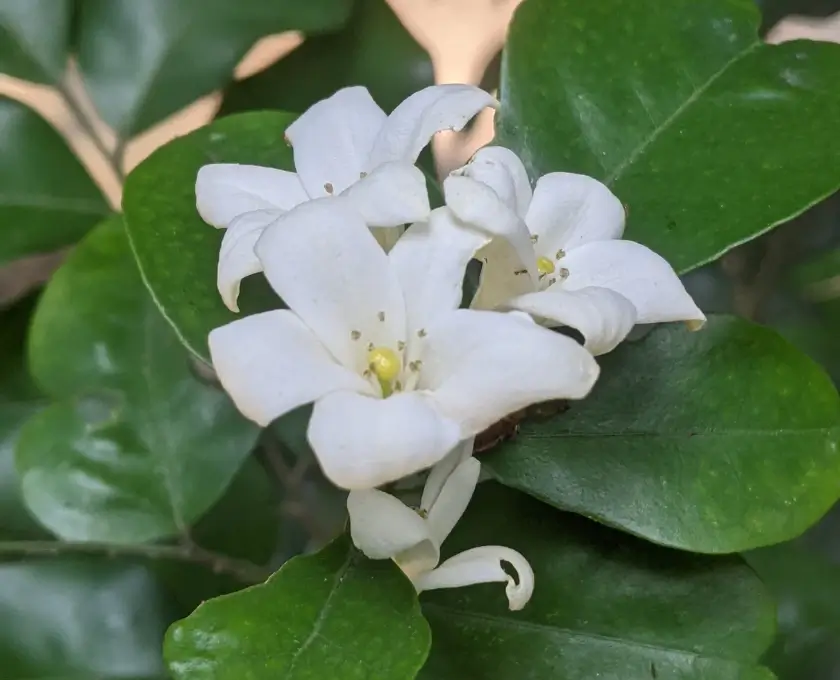
People grow a lot of things, but nothing beats the smell of a Madhu Kamini Plant in full bloom. Often called Orange Jasmine or Murraya paniculata, this stunning evergreen shrub is famous for its clusters of tiny, bell-shaped white flowers that make your whole plain backyard into a fragrant sanctuary that’s why called fragrant queen of the garden.
It’s a tough plant, but it can be picky about a few things. People love it because it stays green all year, and in vastu and many cultures, having a Madhu Kamini at home is seen as a sign of peace.
In this guide, I’ll show you exactly how to look after your plant so it stays healthy. We’ll talk about the best care tips, the main plant benefits of growing it, and most importantly, how to actually get those flowers to show up.
Top 5 Benefits of the Madhu Kamini Plant
If you’re thinking about adding a new plant variety to your collection, let me tell you why Madhu Kamini is a wonderful pick.
A Natural Air Freshener
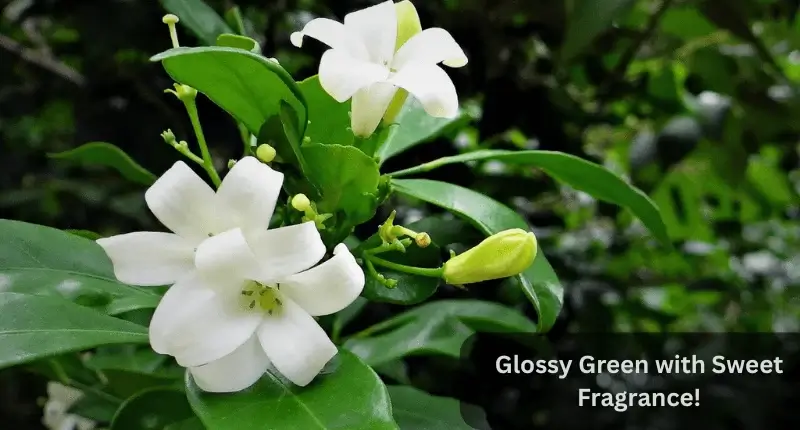
This is the main reason people buy it. When the flowers bloom, they release a sweet smell like honey mixed with citrus. Just imagine——if you place it near a window or on your balcony, the breeze will carry its calming fragrance through your whole house, without any harmful chemical sprays or expensive air fresheners.
- Its small white flowers give off a fresh, sweet, orange like scent, release strongest in the evenings.
- Perfect near windows, walkways, or garden seating areas for a natural air freshener.
It Makes a Great Green Fence
Orange Jasmine grows thick and stays green year-round, so you can shape it into a lush hedge. It is also can also add some privacy without building a boring wall or wooden fence beautifully. It looks nicer—and smells so much better too.
- Dark green leaves (Glossy) stay bright and fresh all year, even in winter.
- Bunches of star-like white flowers just keep coming back to your space.
Brings Nature to your Garden
Do you like to have butterflies and honeybees like pollinators around? You should grow this plant. They absolutely love the tiny white flowers. It’s a great way to help the environment while keeping your garden looking (and feeling) alive naturally.
- Shapes nicely into hedges, borders, or even small bonsai.
- Madhu Kamini welcomes colorful butterflies and buzzing bees, making your garden lively.
Needs Minimal Care (Low Maintenance)
The best part for busy people? Once this plant is settled, it doesn’t need constant attention., it can handle the heat and doesn’t get sick very often even if you forget to water it for a day or two. It’s a very low-maintenance plant that stays healthy without much effort.
- Needs very little attention—perfect if you’re new to gardening.
- Grows happily in pots or right in the ground.
Peace and Positive Energy
A lot of people believe this plant brings peace and positive energy into a house (it’s a big favorite in Vastu). Even if you don’t care about the spiritual side, there’s no denying that sitting next to a fragrant, green plant helps you relax after a long day.
When It Blooms?
Good news: Its flowering season stretches across warm months! You’ll see the most blooms from spring to fall, with flowers often appearing again after rain. Bloom time peaks in summer evenings when their scent fills the air.
Plant Care & How to Get More Flowers?
I know it’s may be frustrating when you buy a plant for the smell and then… nothing. No buds, no scent. If your Madhu Kamini isn’t flowering, so there is a reason, it’s usually because it’s a bit too “comfortable.” Here is how to wake it up.
Give it More Sun
The biggest reason for no flowers is shade. First thing first, if your plant is in a dark corner, it’ll grow leaves but no buds will be there. Move it to different place where it gets at least 5 to 6 hours of direct sunlight. Why the morning sun is important? Because it is like fuel for the flowers.
- Tip: Pick a spot that gets about 5–6 hours of morning sun.
- Avoid: Keep it out of hot afternoon sun to avoid leaf burn.
The “Dry Out” Trick
This sounds mean, but it works! Water Madhu Kamini but not every single day, otherwise it keeps growing but forgets to bloom. So, here is the trick, wait until the top two inches of soil get bone dry before water it again. That tiny bit of stress tells the plant, “Hey, time to make some seeds and flowers!”
- Water Madhu Kamini when the top inch of soil feels dry—but never soggy.
- Avoid over water: In Monsoon or Winter season, treat it less water so the roots stay healthy.
Prune it Back
If you see a branch that’s just getting long, snip it back by a few inches. This is called “pruning.” New flowers only grow on new wood. If you don’t prune, the plant gets lazy.
- Once the flowers fade, trim lightly to keep your Kamini plant neat and bushy.
- Cut away any dead or weak branches so air can move freely.
Feed the Bloom, Not the Leaves
If you use a high-nitrogen fertilizer, you’ll get a huge bush but zero flowers. You can use little bit of bone meal or banana peels. The potassium in the peels is like a “bloom booster.” Just bury a few small pieces of peel near the roots every month. It’s cheap, it’s natural, and the Madhu Kamini loves it.
- Feed your Orange Jasmine once a month with compost or simple plant food (10-10-10).
- If your Jasmine in a pot, mix in a little liquid seaweed feed every two weeks—you’ll see it perk up.
Soil Requirements
- Use Well-Draining Soil: Mix garden soil with compost and a bit of sand—you’ll see how easily the water drains away.
- pH: A pH (6 to 7.5 value) is good enough—this little trick really helps your Kamini plant thrive.
For more seasonal color, see our guide on the Petunia flowering season.
Common Problems & Easy Fixes
Madhu Kamini is a strong plant, but sometimes it shows small problems. It happens in my garden also. I just handle it in a simple way.
Yellow leaves
Most of the time, it is because of too much water. If soil is always wet, stop watering. I usually leave it for few days and let the soil dry. If leaves are falling, then sure it is overwatering. Just reduce water, plant will recover slowly.
- Cause: Often from over watering or soggy soil.
- Fix: Let the top inch of soil dry out and mix in a bit of sand.
No flowers
If plant becomes long and thin, it means not getting enough sunlight. I had same issue once. I moved it to a place where it gets good light and did little trimming. After that, it started growing better and more full.
- Cause: It happens if it’s too shady or lack of nutrients.
- Fix: Place Jasmine plant somewhere brighter spot and use a fertilizer with phosphorus.
Pests (Aphids, Mealybugs)
Small green insects come sometimes on new leaves. No need to worry. I don’t use any costly spray. I just mix little dish soap in water and spray on plant. It works fine.
- They make leaves sticky or curled.
- Fix: Spray weekly with Neem oil or a gentle soap-and-water mix helps you a lot.
No smell in flowers
Many people think there is problem, but it is normal. Smell comes mostly in early morning or evening time. In afternoon, you may not notice it.
That’s all. No need to do anything extra. Keep it simple, and the plant will grow well.
Varieties: Table Kamini vs. Giant Kamini
A quick section explaining the difference so people buy the right one for their space (Pot vs. Ground).
This is a part where a lot of people get confused at the nursery. I’ve seen so many folks buy a plant thinking it’ll stay small on their desk, only for it to turn into a massive bush a year later!
There are really two main types you’ll run into, and picking the right Madhu Kamini plant depends entirely on how much space you’ve got.
The Big Difference: Table vs. Giant
If you want something for your balcony or a small pot, go for the Table Kamini. It’s the “mini” version. The leaves are tiny, and grows very slowly in a nice, round ball shape. It looks similar to a bonsai without you having to do any of the hard work. The only downside? It doesn’t produce as many flowers as the big version, but those tiny leaves are beautiful on their own.
One is the Giant Kamini (also called Orange Jasmine). This one grows very big. If you plant it in the ground, it can easily reach around 8–10 feet if you don’t cut it. Good option if you want a thick hedge or some privacy in your garden. It also grows fast, and when it flowers, there are so many blooms that even people nearby can notice the smell.
Then there is the smaller one, usually called the Table Kamini. This one stays compact and is easy to manage in pots.
Simple tip: If you live in a small flat or have limited space, go for the Table type. It is easy to handle and fits well in pots.
If you have open space or a big garden, then the Giant one is better. It fills the area nicely and the fragrance spreads all around when it blooms.
Just choose based on your space, and take care accordingly.
Final thoughts and simple advice
In the end, growing a Madhu Kamini plant is always worth it. It is not just about taking care of the plant or seeing the white flowers. It is more about the feeling it gives.
When you step outside and get that light, sweet fragrance in the air, it feels different. The space feels calm and fresh.
Doesn’t matter if you have a small Table Kamini in a pot or a big plant in your garden. Both bring the same peaceful feeling to your home.
If you are thinking to grow one, just go for it. It is easy to manage and adds a nice touch to your space without much effort.
F.A.Q’s
Can Orange Jasmine grow indoors?
Yes, but with some care. Yes—just set it by a bright window and keep air moving around it.
How fast does it grow?
Moderate growth—1–2 feet per year with proper care.
Is it toxic plant to pets?
Mildly toxic if eaten. Keep away from dogs/cats.
Is Madhu Kamini indoor or outdoor?
Mostly outdoor. It needs good sunlight. You can keep it indoors only if there is strong direct light.
Is Madhu Kamini good for Vastu?
Yes. It is believed to bring positive energy. Best placed in North or East direction.
Is there really a red kamini flower plant?
Not really—kamini plants are known for their small, white, sweet-smelling flowers, not red ones.