

Do you ever feel like your garden looks beautiful only for a few weeks and then it goes back to plain green leaves and empty pots? If you have been trying to grow all season flowering plants in Indian weather, you probably know how difficult that can be. Most of us have faced this. Gardening in India is not easy. The 40°C summer heat and sudden heavy monsoon rains can damage many delicate plants we bring home from the nursery.
In this guide, I’ve put together a list of my favorite hardy shrubs and bushes that promise year-round color with low maintenance. These are the true “survivors” that will stay in your pots and garden beds for years without constant attention.
Let’s go one by one.
1. Hibiscus (Gudhal)


| Name | Quick Details |
| Common Names | Gudhal, Jaba, Shoe Flower |
| Scientific Name | Hibiscus rosa-sinensis |
| Best Spot | Full Sunlight (at least 5-6 hours) |
| Maintenance | Medium (Needs regular feeding) |
| Flowers | Big, trumpet-shaped, many colors |
If there is one plant that defines an Indian home garden, it is the Hibiscus. Whether it is the classic bright red one or the fancy hybrid oranges and pinks, this plant is a total “flower machine.” If you ask me for a plant that never disappoints anyone, I will say that’s Hibiscus.
It is one of the top 365 days flowering name because, in the Indian climate, it almost never stops blooming. Just give it plenty of sunlight with minimal care, and it will keep your garden looking bright.
Expert Tips: Hibiscus plants are very hungry and need regular feeding to produce bold big flowers. Use a liquid fertilizer made from soaked banana peels once every 15 days. Also, watch for mealybugs—small white, cotton-like insects on the plant. If you see them, just spray the plant with soapy water or neem oil to get rid of them.
Uses: Hedge rows, Balcony pots, Specific gardens, Centerpieces.
2. Lantana

| Name | Quick Details |
| Common Names | Lantana, Panch Phool, Ghaneri, Raimuniya |
| Scientific Name | Lantana Camara |
| Best Spot | Full Sun (The more, the better) |
| Maintenance | Zero Maintenance |
| Flowers | Tiny clusters that change color |
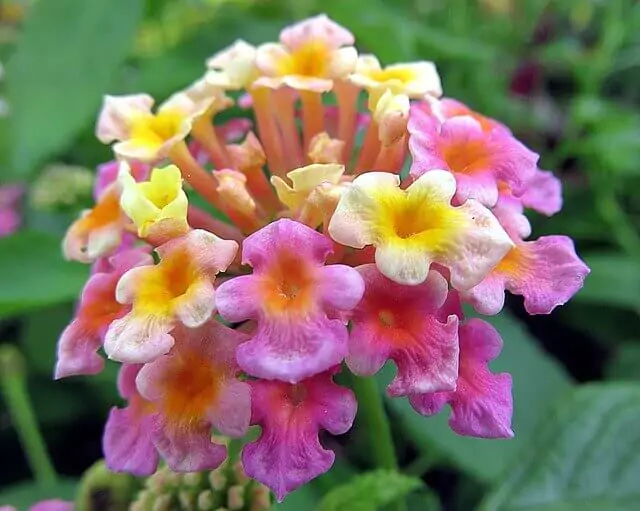
If you are looking for a plant that just won’t quit, you have to get Lantana. In our local language, many call it Ghaneri or Panch Phool because of how its tiny flowers change colors. You’ll see red, yellow, and orange all mixed together in one bunch – it looks like a natural bouquet!
The best thing about Lantana? It is very “dheet” (stubbornly hardy). It stays green and keeps flowering even in the peak of an Indian summer. It’s also a total butterfly magnet – keep one on your balcony and you’ll see colorful visitors all day long.
Lantana like plants are excellent for flowering, and have the ability to thrive in little spaces on your balcony or patio, even in hanging baskets.
3. Bougainvillea


| Name | Quick Details |
| Common Names | Bougainvillea, Kagaz Phool, Gaganbel, Paper Flower |
| Scientific Name | Bougainvillea Glabra / Spectabilis |
| Best Spot | Maximum sunlight (The more, the better) |
| Maintenance | Almost zero (Low maintenance) |
| Flowers | Paper-like colorful bracts |
I personally recommend this beautiful plant that fills your home or balcony with bright colors with full of flowers. But you know what, it asks for absolutely nothing in return, Bougainvillea is the one. We like to name it the ‘Paper Flower‘ because its blooms are thin, crispy and just like paper.
This plant is a real sun-lover. In fact, the hotter the sun, the better it blooms! It is perfect for those sunny balconies or for covering your main gate and boundary walls.
Expert Tip: Don’t pamper this plant too much! Giving too much water or fertilizer will grow lots of green leaves but very few flowers. It actually likes a bit of ‘neglect.’ Just give a sunny spot, water it occasionally to keep your house looking beautiful all year round.
One Small Warning: It does have thorns (kante), so just be a bit careful while pruning it or if you have small kids playing nearby.
If you want these to cover your entire gate or wall, see my full list of the best flowering climbers for Indian homes.
4. Champa (Plumeria)


| Name | Quick Details |
| Common Names | Champa, Frangipani, Pagoda Tree |
| Scientific Name | Plumeria Fubra |
| Best Spot | Full Sun (it loves the heat) |
| Maintenance | Very Low |
| Flowers | Thick, waxy, and smells amazing |
If you want your garden to feel like a relaxing resort, you need a Champa. It’s a classic Indian favorite. Most people love it because the flowers aren’t just pretty—they feel thick and give slightly waxy touch. Spa soft sweet fragrance slowly spreads around. It’s the kind of smell that makes you pause for a second. Even when it’s not flowering, the big, umbrella-like leaves make your balcony look lush and green.
My Secret Tip: Champa is a succulent at heart. Its stems are thick and store water, so if you water it too much, the roots will rot. Also, if sometime branch breaks, don’t throw it away! Just let the broken end dry for a day and then stick it in a new pot. It grows into a whole new plant very easily.
Note: In the peak of winter (December/January), don’t panic if it drops all its leaves. It’s just taking a nap. Once the spring heat hits, it will bounce back with fresh green leaves and new buds.
Where to plant: It grows into a small tree, so use a large, sturdy pot on your terrace or plant it directly in the ground.
A Quick Note: In India, ‘all-season‘ means these plants live for years. While stars like Vinca bloom every single day, others like Mogra might take a short break in the peak of winter to recharge their batteries!
5. Jasmine (Mogra)


| Name | Quick Details |
| Common Names | Mogra, Arabian Jasmine, Motia, Chameli |
| Scientific Name | Jasminum sambac |
| Best Spot | 4-6 hours of direct sun |
| Maintenance | Medium (Needs regular pruning) |
| Flowers | Pure white with a heavy scent |
Jasmine, which is also referred to as Mogra, can grow in any climate. Known for its delicate white flowers, Jasmine thrives both in sunlight and in light shade in any garden.
It is an evergreen plant that blooms 365 days a year with proper care. Gardeners who wish to maintain a continuous fragrance and beauty in their yard often choose jasmine.
You can grow jasmine in pots or on walls, fences, or trellises, so it’s a great and versatile addition to your garden. It’s low maintenance, and it requires occasional watering. With the clusters of flowers, your space will be filled with color and scent, perfect for balconies and even indoors.
If you love the scent of Mogra but want something that grows even bushier, you’ll definitely want to read my full guide on the Madhu Kamini plant (Grow & Care)—it’s another all-season favorite with an incredible fragrance.
6. Vinca (Sada Bahar)
| Name | Quick Details |
| Common Names | Sada-bahar, Periwinkle, Sadaphuli |
| Scientific Name | Catharanthus roseus |
| Best Spot | Anywhere (Sun or Partial Shade) |
| Maintenance | Very Low (Almost zero) |
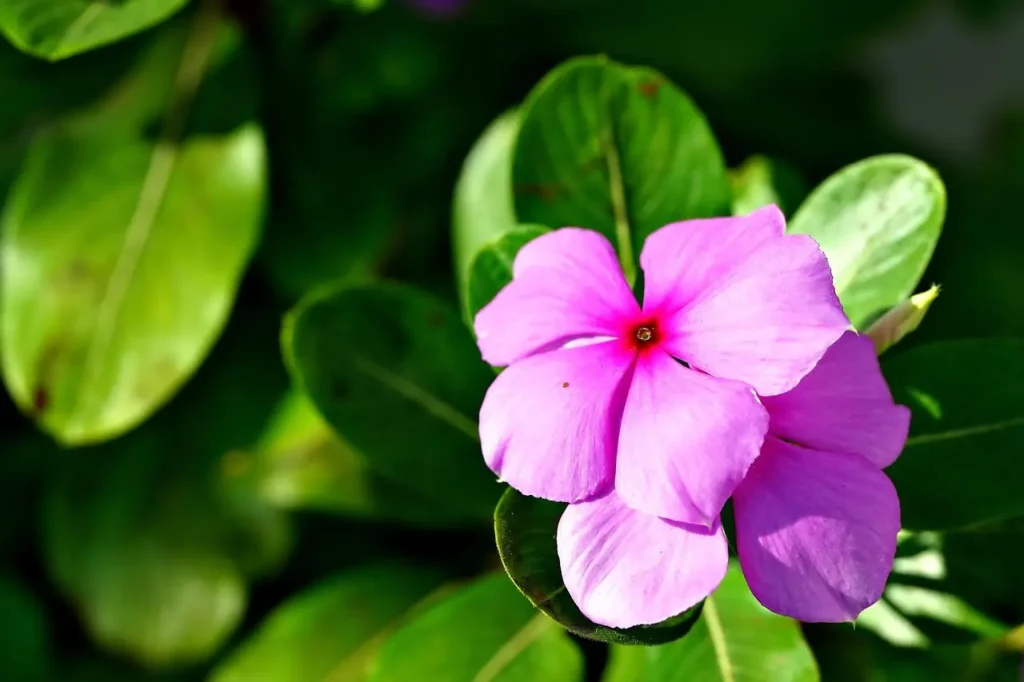
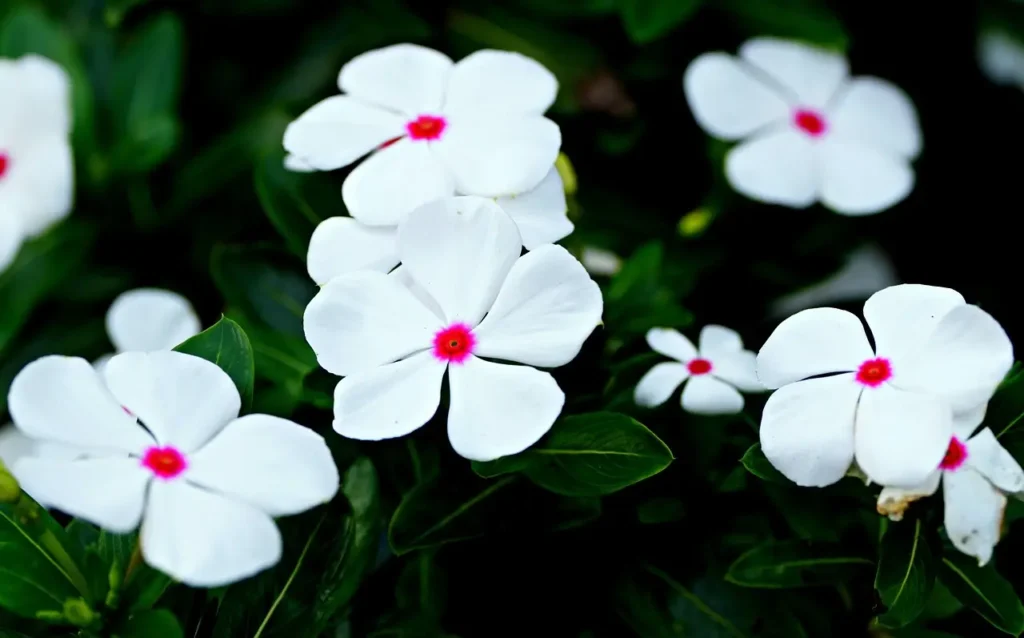
| Flowers | Small, 5-petals, Pink or White |
The name Sada-bahar says it all—it literally means always in bloom. If you are new to gardening or don’t have much time to spend on plants, Vinca (Periwinkle) is your best friend.
It is probably the most honest flowering plant in India. You will see it growing everywhere, from fancy gardens to the side of the road, because it just refuses to die.
Extra Value Tip: Don’t overwater specially in the monsoon, make sure the pot is draining well. If the roots stay in water, the plant will rot. It actually prefers slightly dry soil over “kichad” (muddy soil).
Expert Advice: Many people buy the Hybrid Vincas because they come in purple or bicolor, but they often die in the rainy season. If you want a plant that lasts for years, stick to the local Pink or White ones. They are bulletproof. To stop it from getting too long and leggy, you should pinch off the tips of the branches with your fingers. This helps the plant grow bushy and produce more flowers.
Uses: Great for window boxes, small pots, or filling empty spaces in garden beds.
7. Ixora (Rukmini)
| Name | Quick Details |
| Common Names | Rukmini, Ixora, Jungle Flame |
| Scientific Name | Ixora coccinea |
| Best Spot | Loves bright light (morning sun is best) |
| Maintenance | Low to Medium |
| Flowers | Bunches of tiny, star-like flowers |
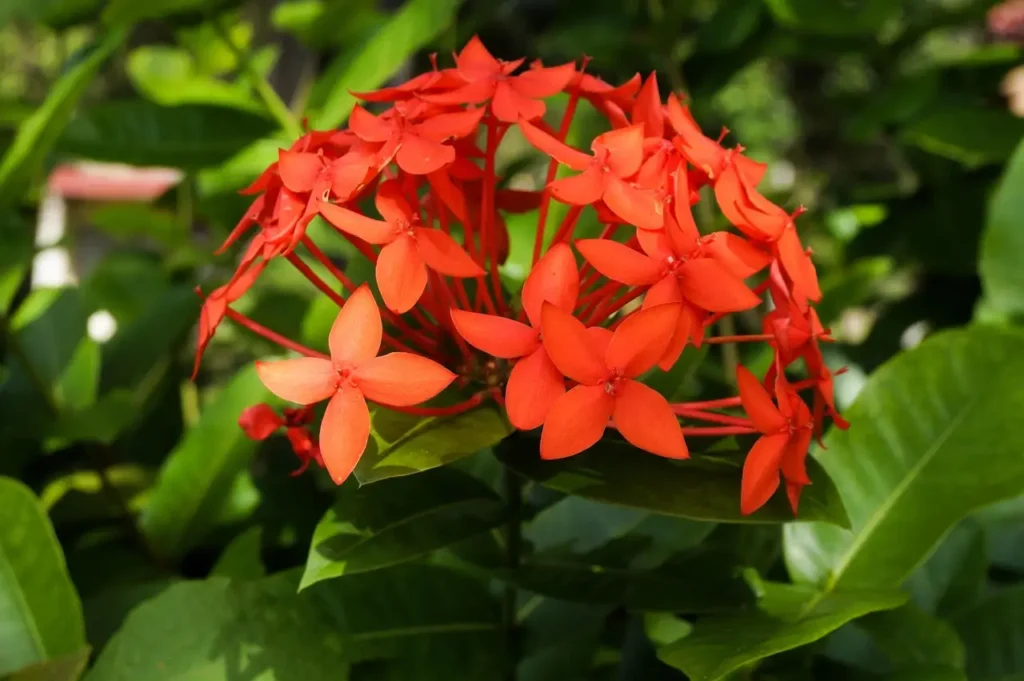
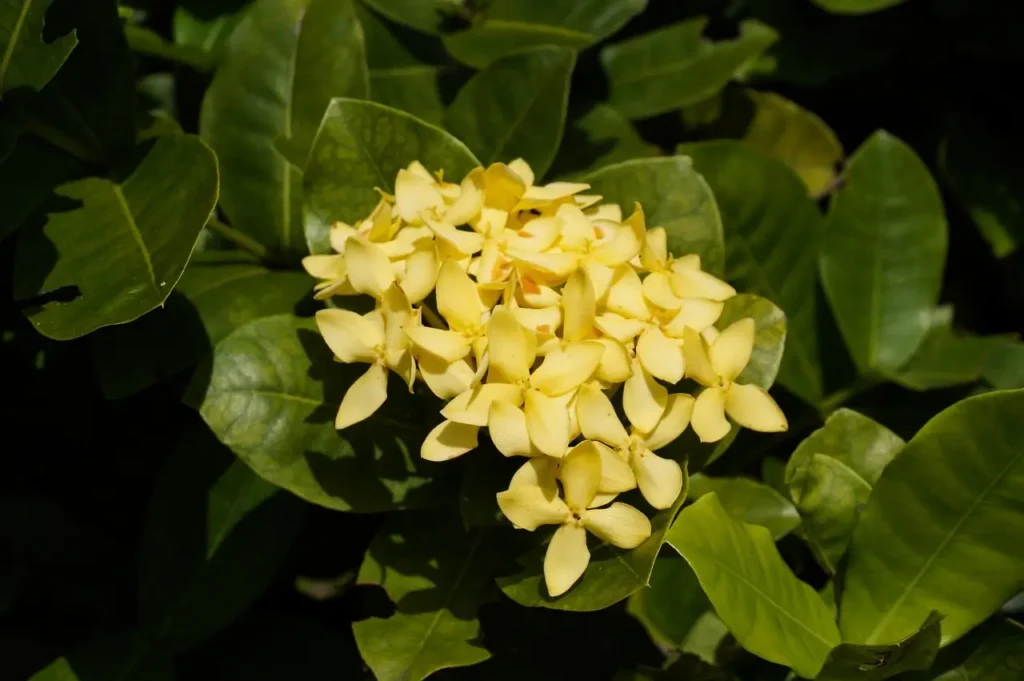
If you want a plant that looks like a permanent bouquet, Ixora is your best pick. In India, we mostly call it Rukmini, and it’s a total set and forget shrub. The flowers grow in tight, round balls—almost like colorful pom-poms. It stays green all year, and since I moved my “small red flower” tips into this guide, this is the star performer you should look for.
Informative Tip: Most people only know the red variety, but you can also find mini (dwarf) types in pink or yellow. They stay small and bushy, which makes them perfect for small spaces if you want a neat, nursery-style look on your balcony.
Expert Advice: Here is a secret: Ixora loves “khatta” (acidic) soil. If your plant is all green but no flowers, try pouring a little leftover tea water (no milk or sugar!) or a bit of curd water into the soil once a month. This small trick usually triggers a huge burst of new flower bunches.
Where to plant: It grows well as a living border along a path or in medium-sized pots on a sunny terrace.
8. Tecoma (Yellow Bells)
| Name | Quick Details |
| Common Names | Sonpatti, Yellow Bells, Tecoma |
| Scientific Name | Tecoma stans (L.) |
| Best Spot | Full Sun |
| Maintenance | Very Easy |
| Flowers | Bright yellow, trumpet-shaped |
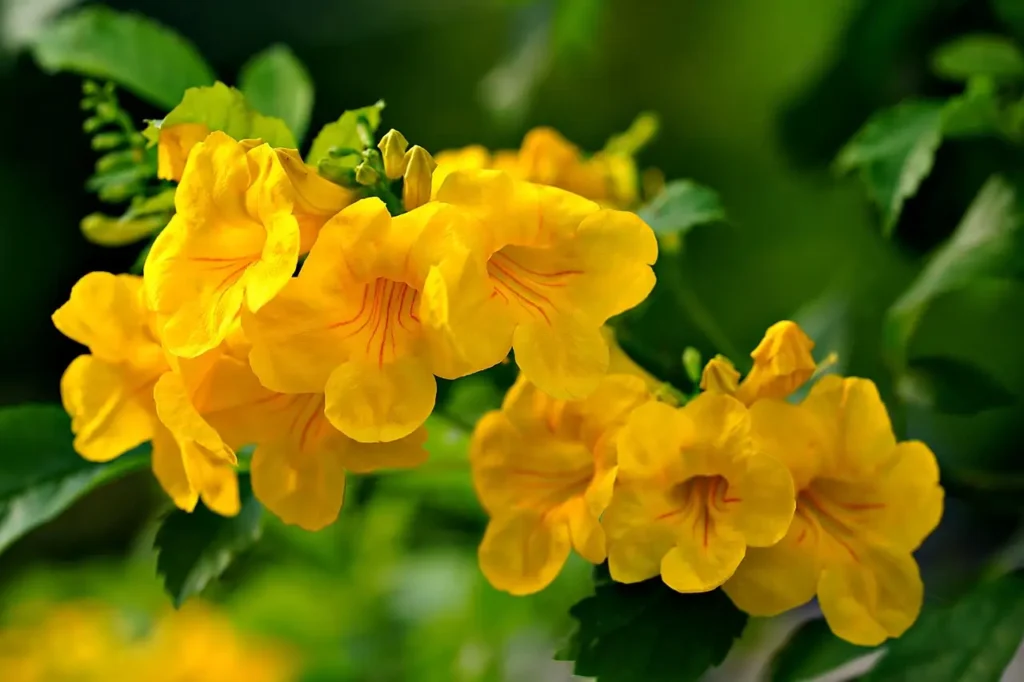
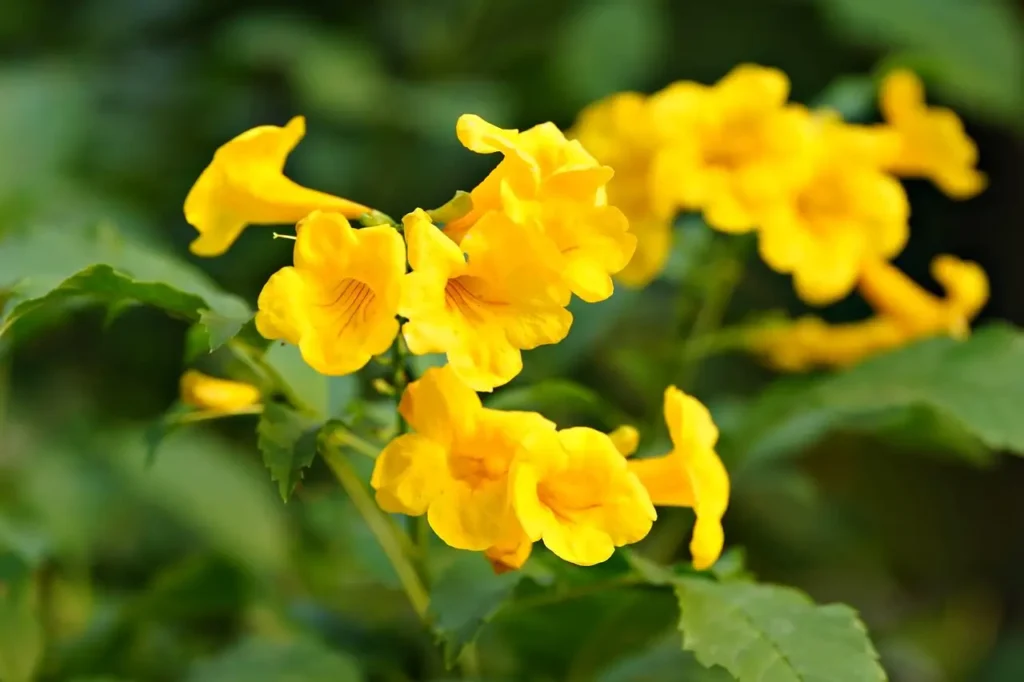
Tecoma is like a “flower factory.” I call it a permanent winner because it is almost never without its bright yellow bells. Even in the middle of May, when the sun is burning everything else, Tecoma stands tall and keeps blooming. It is much more reliable than the Indian Tulip if you want constant color in a small space.
Expert Advice: Bees and sunbirds love this plant, so it brings more activity to your garden. One small tip: after the flowers fall, you’ll see long green seed pods. Cut them off. If the plant uses its energy to make seeds, it will produce fewer new flowers.
Where to plant: Grow it along your balcony for privacy or plant it in a large pot as the main plant.
9. Pentas (Star Cluster)
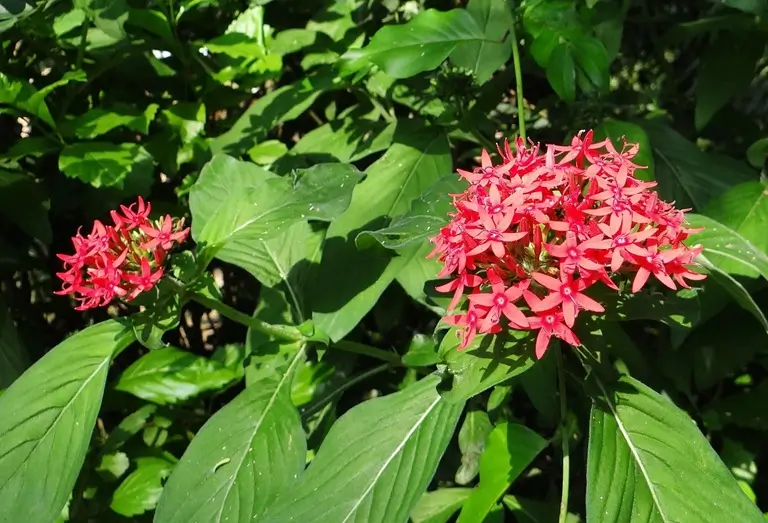
| Name | Quick Details |
| Common Names | Pentas, Star Cluster |
| Scientific Name | Pentas lanceolata |
| Best Spot | Sunny balcony or Partial shade |
| Maintenance | Easy to Medium |
| Flowers | Clusters of tiny 5-point stars |
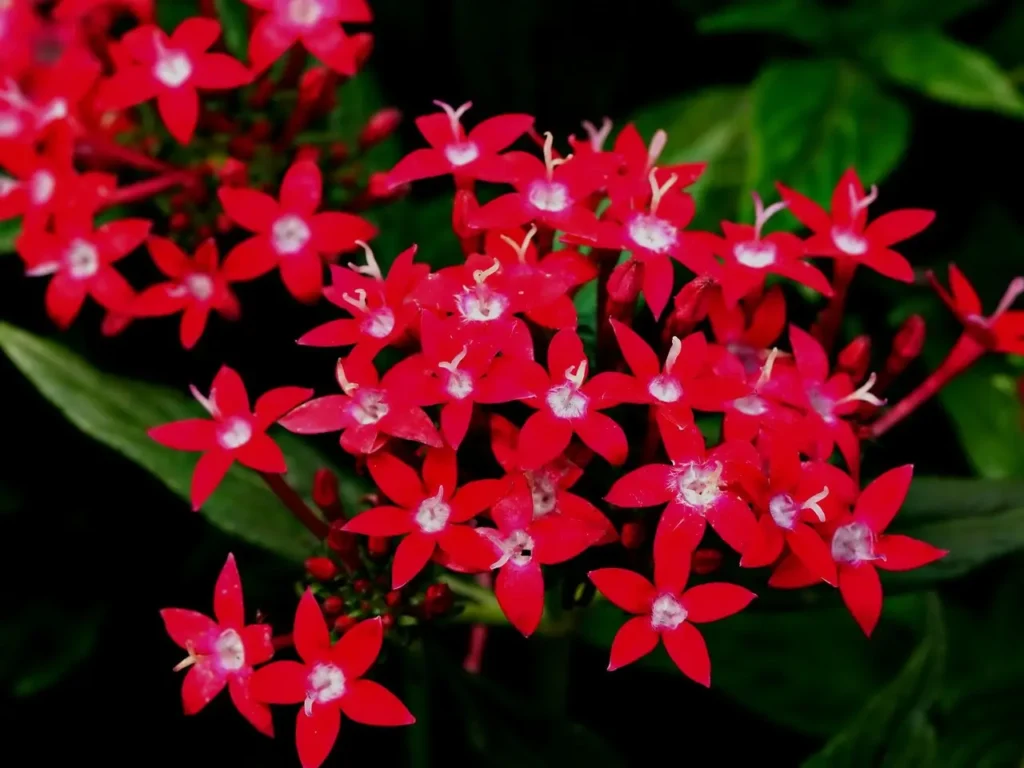
If you’ve ever wanted a plant that looks like a permanent bouquet, Pentas (Star Cluster) is it. I honestly think it’s a better choice than the Ixora for most people because it handles the monsoon humidity without any drama. I call it the Butterfly Magnet—trust me, if you have one on your balcony, you’ll see butterflies visiting every morning.
My Secret Tip: This plant is very “seedha-saadha” (well-behaved). It doesn’t grow messy, so it’s perfect for small flats. To keep it bushy, just pinch off the old, dried flower bunches with your fingers (the chutki method). This forces the plant to grow more branches and even more flowers. Need watering? Only when the soil feels dry.
Where to plant: Pentas grow well in small pots where you want a splash of color at eye level.
10. Euphorbia Milii
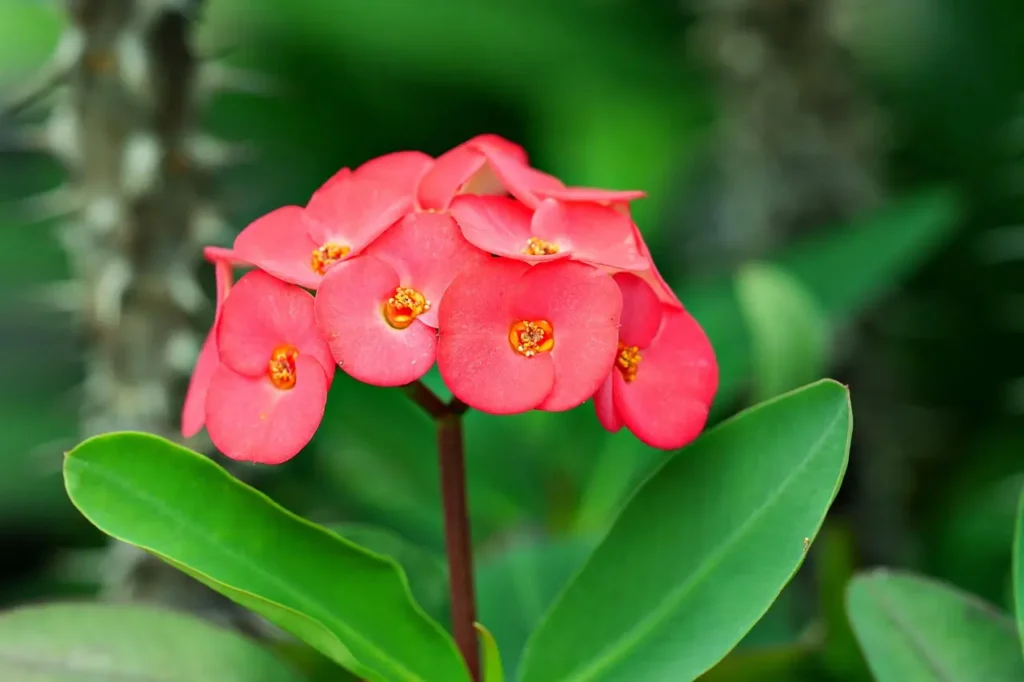
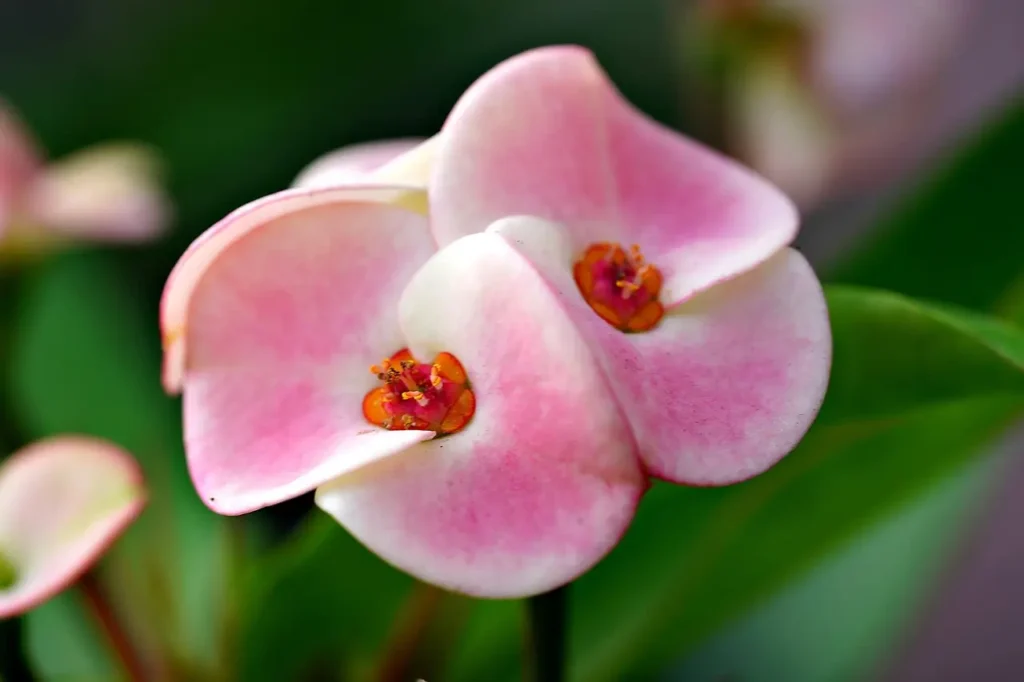
| Name | Quick Details |
| Common Names | Crown of Thorns, Kaante Wali Mata |
| Scientific Name | Euphorbia milii |
| Best Spot | Full, burning sun |
| Maintenance | Zero (It loves being ignored!) |
| Flowers | Small, waxy blooms (Red or Pink) |
If you’re the type of person who forgets to water their plants for a week, this one is made for you. Euphorbia Milii is a succulent-type plant with thorns, but the flowers are so bright and pretty look like they’re made of plastic. It is probably the most “dheet” (stubbornly tough) plant on this list. It can manage the 45°C Delhi heat for days without a drop of water and still keep blooming.
My Secret Tip: The only way to kill this plant is by giving it too much water because soggy soil is the enemy of Euphorbia Milii. Always use a sandy soil mix and water it once a week at most. You always need to be careful with the white milky sap that comes out if a stem breaks—it can be itchy for many people, so keep it away from pets and kids.
Where to plant: Keep it in a bright sunny area of your terrace or balcony or the place where nobody will accidentally fall into the thorns. It’s a long life plant that will stay with you for years.
Beginner should follow this tip: Don’t try to grow everything at once. Start with one or two of these low maintenance plants and see how they change the look of your home.
Which one are you planning to bring home this weekend? Drop a comment below and let’s talk about your garden setup!
Why these plants are actually worth it (Benefits)
Beyond just looking pretty, these 365 days winners do a lot of “hard work” for your home:
- They trap dust: In busy Indian cities, plants like Hibiscus and Bougainvillea act as natural filters. Their leaves catch the dust and pollution before it enters your rooms, making your balcony air much cleaner. While these outdoor beauties handle the dust, you can also check out my list of the top 10 air purifying indoor plants to keep the air inside your rooms just as fresh.
- Non-stop color: The best part? You don’t have to keep replanting every month or two. These plants stay long through the summer heat and the rains, so your house always looks “decorated.”
- Low Maintenance: Most of these are “set and forget”, you don’t need to be a professional gardener to stay alive.
- Super easy to manage: You don’t need to be an expert. These are “dheet” (stubbornly tough) plants. Even if you are a busy person, they won’t die on you easily.
- No Chemicals Needed: You don’t need expensive sprays. Just a natural little Neem Oil mixed in water once a month keeps the bugs away. It’s safe for your family and the environment.
Ideal for small spaces, low maintenance & fast growing.
Caring Tips
To be very honest, you don’t need to be an expert just follow these simple basic routine:
- Sunshine is Key: Most of these plants are sun-lovers. They need at least 4–6 hours of direct dhoop daily to give you those bright flowers.
- The Finger Test: Don’t just pour water every day. Stick your finger an inch into the soil—if it looks dry, only then give it water. Over-watering habit is the #1 plant killer.
- Monthly Fertilizer: A handful of Gobar Khaad or Vermicompost once a month is good enough to keep them healthy.
- The Pruning: Keep snipping off dry leaves and dead flowers. This tells the plant to grow bushy (bhara-bhara) instead of tall and thin.
Common Mistakes (What NOT to do!)
- Sometimes we kill our plants with “too much love.” Avoid these:
- Too Much Watering or Drowning the Roots
- Keeping them in the dark: No sun = no flowers.
- Ignoring the “White Spots”: If you see sticky white spots or curled leaves, don’t panic and reach for harsh chemicals. It’s much safer for your family and pets to use organic pest control methods, like a simple Neem oil spray, to keep your garden healthy and bug-free.
- No Small Pots for several plants. Each guy need their own space to breathe and grow.
Conclusion
Having a garden full of flowers gives a joy and is so rewarding. It gives a beautiful look and amazing smell. These all-season plants are very easy to care.
Just give them a proper sunlight, water, and love, and they will keep your valuable space bright and colorful all year long!
Which flower blooms 365 days in India?
You should go for Vinca (Sada-bahar) and Bougainvillea, these two varieties are the closest to 365-day bloomers. If they get enough sun and the right water, they rarely stop flowering, even in the peak of summer or winter.
Why are my plants growing leaves but no flowers?
This is very common problem, usually happens for two reasons: too much nitrogen (too much fertilizer) or too little sun. If you feed them too much, the plant gets “lazy” and only grows green leaves. Stop the fertilizer for a month and move them to a sunnier spot.
Which is the easiest low-maintenance flowering plant for beginners?
If you are a complete beginner, start with Bougainvillea or Euphorbia Milii. These are “hard-to-kill” plants that actually prefer it when you forget to water them occasionally!