


Do you feel like your room is a bit stuffy? You don’t need an expensive machine to fix that! Nature has a simple, low-budget solution. My guide on easy-care air purifying indoor plants will help you pick the best green friends to keep your home fresh and healthy.
List of 10 Air Purifying Indoor Plants
I have picked these 10 best indoor plants for oxygen based on the famous NASA Clean Air Study. I’ll share real care tips from experts and—more importantly—the common mistakes most people make.
Whether you’re a busy housewife, a working professional, or a just starting starting, these plants work like magic to clean your air. Let’s jump right in!
1. Snake Plant (Sansevieria)
| Features | Details |
|---|---|
| Common Name | Snake Plant, Mother-in-law’s Tongue, Viper’s Rope Plant |
| Scientific Name | Dracaena trifasciata (formerly Sansevieria) |
| Air Purifier | Removes toxins like Formaldehyde, Benzene, Xylene (paints) from indoor spaces |
| Low Light Plant | Thrives in shady corners to bright rooms (no direct sun needed) |
| Watering | Water only when soil is bone-dry (~once/month) |
| Pet Safety | Toxic – Keep away from cats and dogs |
| Speciality | Night-time Oxygen producer (Perfect for Bedrooms) |
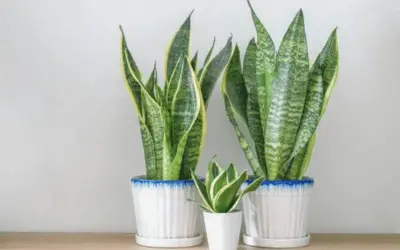
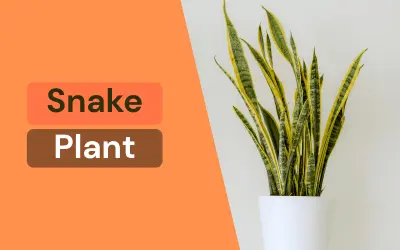
You’ve probably seen this plant in offices or cafes—it is famous as the Snake Plant or Mother-in-Law’s Tongue. It’s a favorite because it quietly cleans your air by grabbing nasty chemicals from window cleaners, paint fumes, and even that “new plastic” smell from shower curtains.
This low-maintenance indoor plant is a survivor. It thrives anywhere from dark corners to sunny desks and only needs water when the soil is bone-dry. Just a heads-up: keep it away from pets as it can be toxic if chewed. You’ll often see these in Indian homes near windows or beside the sofa to add a modern look!
Pro Tip for Better Sleep: The Snake Plant is one of the few plants that releases oxygen at night. Keep it in your bedroom for fresher air while you sleep! (Fun fact: It even survived 3 months without water in NASA’s study!)
2. Peace Lily (Spathiphyllum)
| Features | Details |
|---|---|
| Scientific Name | Spathiphyllum |
| Common Name | Peace Lily |
| Air Purifier | Removes Ammonia, Benzene, and Formaldehyde |
| Light Needs | Low to medium indirect light (Direct sun burns the leaves) |
| Watering | 1–2 times a week (It “tells” you it’s thirsty by drooping) |
| Pet Safety | Toxic – Keep away from curious pets |
| Benefits | Improves humidity & blooms beautiful white spathes |
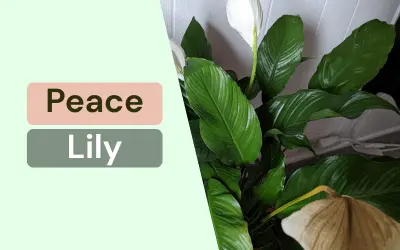

Meet the Peace Lily—you’ve likely seen its beautiful white flowers in homes or offices. Unlike many plants, it actually “talks” to you. When it needs water, the leaves droop down, but they stand up straight again just hours after a good drink!
It quietly cleans the air by grabbing nasty chemicals from bathroom cleaners, new furniture, or even printer ink fumes. Plus, its elegant white flowers (which bloom most of the year) make any room feel instantly fresher.
Great for:
- Bathrooms: It loves the extra moisture/steam.
- Offices: It handles printer fumes and low light perfectly.
- Shady Corners: It survives where other plants might struggle.
Note: Please keep this one away from pets!
Fun Fact: In the famous NASA study, the Peace Lily was a top performer for removing multiple toxins at once. It’s a true multitasker!
Pro Tip: If the leaf tips start turning brown, it usually means your tap water has too much chlorine. Try using filtered water or let your tap water sit overnight before watering.
3. Areca Palm (Dypsis lutescens)
| Features | Details |
|---|---|
| Scientific Name | Dypsis lutescens |
| Common Name | Areca Palm, Golden Cane Palm, Yellow Palm |
| Air Purifier | Removes Xylene and Toluene (from paints, glues, and carpets) |
| Light Needs | Bright, indirect sunlight (Loves a sunny balcony or window) |
| Watering | Keep soil moist but not soggy (2–3 times a week in summer) |
| Pet Safety | 100% Safe/Non-toxic for Cats and Dogs |
| Benefits | Acts as a natural humidifier (Great for dry AC rooms) |
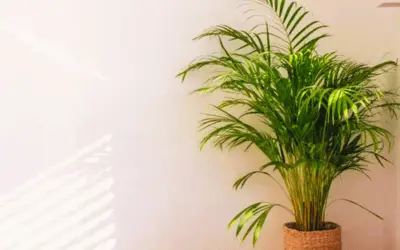

The Areca Palm is a classic choice for Indian homes. Your table and content are great, but as an SEO expert, I noticed one small detail: “Pet Safety” is a huge selling point for this plant, so we should make it pop!
Also, a tiny “Botanist” correction: Areca Palms are actually a bit sensitive to tap water chemicals (like fluoride), which is why they get those brown tips you mentioned.
those feathery green leaves you see in fancy lobbies! It’s like a living air filter. If you give it bright light and regular sips of water, it works hard to:
- Swallow nasty smells from new paint, rugs, or strong glues.
- Add “jungle moisture” to dry rooms—which is a blessing for your skin if you live in an AC room!
Unlike trickier palms, this one is quite forgiving. If the tips turn brown, just trim them with scissors. Best of all? It is completely safe for pets, so your cats or dogs can nap under it without worry.
Fun Fact: A large Areca Palm can release almost 1 liter of water into the air every 24 hours. It’s better than a machine humidifier!
Pro Tip: Areca Palms hate the chemicals in tap water. Use filtered water or rain water to keep the leaves from turning brown at the edges.
4. Money Plant (Epipremnum aureum)
| Features | Details |
|---|---|
| Scientific Name | Epipremnum aureum |
| Common Name | Money Plant, Golden Pothos, Devil’s Ivy |
| Air Purifier | Cleans Formaldehyde & Benzene (from furniture polish, car exhaust, and paints) |
| Light Needs | Low light to bright indirect light (Very hardy!) |
| Watering | Water when top soil feels dry or leaves droop slightly (~once a week) |
| Pet Safety | Toxic – Keep out of reach of cats and dogs |
| Benefits | Fast growing, easy to propagate, and brings “Good Luck” vibes |

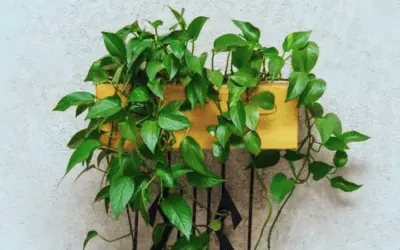
In India, we don’t just call it a plant; we call it the Money Plant! Let be honest, it’s probably the easiest plant to grow on this list. Whether you keep it in a dark bathroom, or a hanging pot on the balcony, even a bottle of water on your desk, People call it Devil’s Ivy because it’s almost impossible to kill, even if you’re a complete beginner.
It’s a hard worker, too. It sucks up toxins from furniture polish and even car exhaust fumes if you keep it near a window. In our tradition, it’s believed to bring prosperity and positive energy to the home.
Fun Fact: It stays green even when kept in near-darkness, making it the #1 choice for housewife or beginners.
Pro Tip: If you want a bushier look, don’t let the vines just growing and growing too long. Trim the ends and put those cuttings in a glass of water, they will grow new roots in just 10 days!
5. Spider Plant (Chlorophytum comosum)
| Features | Details |
|---|---|
| Scientific Name | Chlorophytum comosum |
| Common Name | Spider Plant, Airplane Plant, Ribbon Plant |
| Air Purifier | Cleans smells from nail polish, leather cleaners, and wood varnish |
| Light Needs | Very easy-going; thrives in anything from low light to bright spots |
| Watering | Water when the soil feels dry (usually 1–2 times a week) |
| Pet Safety | 100% Safe – Non-toxic for cats and dogs |
| Benefits | Grows tiny “babies” you can replant; removes odors fast |

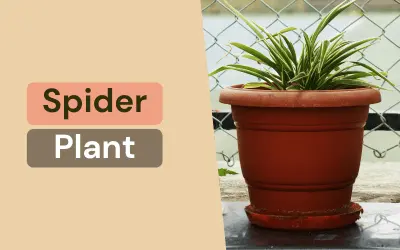
The Spider Plant is that messy, grassy-looking friend you’ve probably seen hanging in a neighbor’s balcony or a local parlor. It’s famous for growing these tiny “babies” that dangle on long strings—honestly, they look just like little spiders.
It’s great for Indian homes because it’s tough. If you live in a city with a lot of dust or you’ve just painted your room, this plant is your best bet. It literally “eats” those sharp smells from nail polish, wood polish, or leather cleaners. Best of all? If your cat decides to chew on the leaves, they’ll be fine (unlike with many other plants).
Quick Tip: Those tiny babies on the stems? Don’t waste them! Just snip them off and put them in a small cup of water or soil. They grow roots super fast. It’s a classic move for Indian aunties to gift these “spiderettes” to friends for good luck.
If you see the very tips of the leaves turning brown, don’t panic—it’s usually just the chlorine in our tap water. Trim the leaves with scissors, it will look brand new again.
6. ZZ Plant (Zamioculcas zamiifolia)
| Features | Details |
|---|---|
| Scientific Name | Zamioculcas zamiifolia |
| Common Name | ZZ Plant, Zanzibar Gem |
| Air Purifier | Fights smells from paints, new plastics, and glues |
| Light Needs | Anything from low-light corners to bright rooms |
| Watering | Water once every 2-3 weeks (Thrives on neglect!) |
| Pet Safety | Toxic – Keep away from dogs and cats |
| Benefits | Super shiny leaves, survives months without attention |


Meet the unkillable ZZ Plant! It is basically a dream for busy people. Those waxy green leaves can live in near-darkness for months. While it looks plastic, it’s actually cleaning bad smells from paints, new toys, and glue.
Even if you travel often or forget plants, this warrior stays green. Perfect for Indian bedrooms or offices with no windows. Just keep pets away!
Fun Fact: ZZ Plants store water in potato-like roots – they can survive 4 months without water!
Pro Tip: Dust its leaves monthly – they shine brighter when clean!
7. Aloe Vera (Aloe barbadensis miller)
| Features | Details |
|---|---|
| Scientific Name | Aloe barbadensis miller |
| Common Name | Aloe Vera, Burn Plant |
| Air Purifier | Fights smells from paints, floor cleaners, and varnish |
| Light Needs | Loves sunny windows (3–4 hours of direct sun) |
| Watering | Water every 2–3 weeks (only when soil is bone dry) |
| Pet Safety | Toxic – Not safe for pets to eat |
| Benefits | Healing gel for skin; grows baby “pups” easily |


Aloe Vera Plant – the healing hero that eats paint fumes while soothing burns!
Aloe Vera is that spiky hero sitting on your kitchen window! You might rub its gel on burns, but it’s also secretly cleaning your air. It munches on nasty smells from fresh paint, strong floor cleaners, and wood varnishes.
Give it sunshine and forget it for weeks – this tough plant loves dry soil. When it grows little baby plants at its base (called “pups”), you can gently pull them off to make new aloes! Just keep pets away – while the gel helps us, eating the leaves hurts them.
Fun Fact: Ancient Egyptians called Aloe Vera the ‘plant of immortality’!
Pro Tip: Snip the oldest leaves first – they have the most healing gel!
Discover beautiful 10 Popular Creeper Plants with images.
8. Rubber Plant (Ficus elastica)
| Features | Details |
|---|---|
| Scientific Name | Ficus elastica |
| Common Name | Rubber Plant, Rubber Tree |
| Air Purifier | Fights smells from new furniture, carpets, and dust |
| Light Needs | Bright spots near windows (avoid harsh afternoon sun) |
| Watering | Water once a week when the top soil feels dry |
| Pet Safety | Toxic – Keep away from dogs and cats |
| Benefits | Big shiny leaves; grows tall like an indoor tree |


The Rubber Plant is that glossy leaved giant making your neighbor’s living room look fancy! Its huge waxy leaves aren’t just pretty – they grab dust and fight smells from new sofas or carpets.
Water it weekly and wipe leaves monthly (they sparkle!). It grows slowly upward like a proper tree – perfect for filling empty corners. Keep away from pets though – its milky sap irritates skin.
Fun Fact: Rubber Plants were originally grown for actual rubber during WWII!
Pro Tip: Want bushier growth? Snip the top stem – it’ll sprout two branches!
9. Boston Fern (Nephrolepis exaltata)
| Features | Details |
|---|---|
| Scientific Name | Nephrolepis exaltata |
| Common Name | Boston Fern, Sword Fern |
| Air Purifier | Fights smells from new furniture, damp towels, and pets |
| Light Needs | Bright shade (Best near East or West windows) |
| Watering | Keep soil damp; water every 2-3 days |
| Pet Safety | 100% Safe – Non-toxic for cats and dogs |
| Benefits | Loves humidity; perfect for bathrooms or balconies |
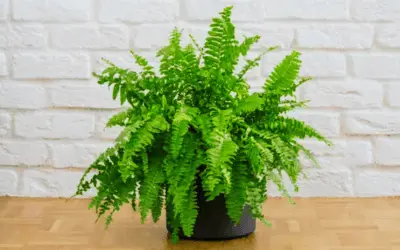

Boston Fern – the fluffy air washer that loves your bathroom humidity!
Boston Ferns are nature’s humidifiers! Those feathery green arms thrive in steamy bathrooms where other plants die. They’re busy cleaning musty smells from wet towels, new cabinets, or pet beds.
Unlike fussy ferns, this type forgives mistakes. If leaves turn brown, just snip them off – new fronds will sprout fast. Perfect for Indian bathrooms or kitchens where steam hangs in the air!
Fun Fact: Victorians grew these in parlors to show off wealth – one plant cost a month’s salary!
Pro Tip: Place on a tray with wet pebbles – it drinks humidity like chai!
10. Chinese Evergreen (Aglaonema modestum)
| Features | Details |
|---|---|
| Scientific Name | Aglaonema modestum |
| Common Name | Chinese Evergreen |
| Air Purifier | Cleans air from new books, printers, and stale AC fumes |
| Light Needs | Low to medium light (Handles dark corners well) |
| Watering | Water every 7–10 days (Let the soil dry out halfway) |
| Pet Safety | Toxic – Keep away from cats and dogs |
| Benefits | Stays colorful in the shade; handles cold AC air |


Spot those painted leaves in fancy offices? That’s Chinese Evergreen! This tough beauty thrives where other plants fail – shady corners, AC rooms, or under fluorescent lights.
Chinese Evergreen cleans your air while looking pretty! It fights bad smells from new books, printers, and stuffy rooms.
Water it weekly. You’ll get cool pink, green, or silver leaves. Perfect for AC rooms or Indian bedrooms or offices where temperature changes kill other plants!
Fun Fact: NASA ranked this among the TOP 3 air-purifying plants for removing benzene!
Pro Tip: Dust its leaves weekly – they ‘breathe’ better when clean!
5 Simple Rules for Thriving Indoor Plants
| Tip | Why It Matters | Plants That Love This |
|---|---|---|
| Dust Leaves Monthly | Dust blocks light + pores = less air cleaning | Rubber Plant, ZZ Plant, Snake Plant |
| Use Room-Temp Water | Cold water shocks roots = yellow leaves | Peace Lily, Ferns, Chinese Evergreen |
| Don’t Overwater! | Wet soil kills roots faster than drought | Snake Plant, ZZ Plant, Cacti |
| Rotate Pots Weekly | Prevents lopsided growth | Money Plant, Areca Palm, Spider Plant |
| Skip Leaf Shine Sprays | Clogs pores – just wipe with wet cloth | All plants! |
3 Deadly Mistakes to Avoid
| Mistake | Why It’s Bad | Fix |
|---|---|---|
| Overwatering | Roots rot → plant suffocates | Finger test: Water only if top 1-inch soil is dry |
| Wrong Spot | Dark-loving plants burn in sun / sun-lovers fade in dark | Check tags: Group plants by light needs |
| Ignoring Pests | Spider mites spread fast → weakens air cleaning | Spray weekly: 1 tsp neem oil + 1L water |
Final Thoughts
These 10 easy air-purifying plants don’t just clean toxins – they bring life to Indian homes! Start with one low-maintenance champ (like Snake Plant or ZZ Plant). Got questions? Ask below! 👇
P.S. Share this guide with that friend who kills every plant!
FAQs
Do air purifying plants actually work?
Yes! NASA studies prove about plants like Snake Plant and Peace Lily remove toxins by up to 87% in 24 hours. Pair them with good ventilation for best results. But remember, they’re only helpers – not replacements for fresh air.
Which plants won’t harm pets or kids?
These three are super safe:
– Spider Plant (fun for kids!)
– Areca Palm
– Boston Fern
Keep Snake Plants and Peace Lilies away from curious pets though.
Why are my plant’s leaves turning yellow?
Usually overwatering! Let soil dry before watering again.
Where to buy these plants in India?
Local nurseries (best for healthy plants) or online: NurseryLive, Ugaoo, Amazon.
Pro tip: Search ‘air purifying plants near me’ for offline buy!
How long do these plants live?
With basic care, most live 5–10 years. Snake Plants can survive for decades—they’re the tortoises of the plant world!