

Climber & Creeper plants are a fantastic way to add greenery and vibrant colors to your gardens, walls, and fences. Yellow flower creeper plant provides vibrant splashes of color and lush greenery.
These adaptable plants turn walls, fences, and trellises into living art. Explore these popular creeper plants in India, along with care tips for these sun-loving beauties.
Yellow Flower Creeper Varieties
Finding the right climber can transform a plain wall into a living masterpiece. There are several yellow creeper varieties worth exploring, depending on your climate and sunlight levels.
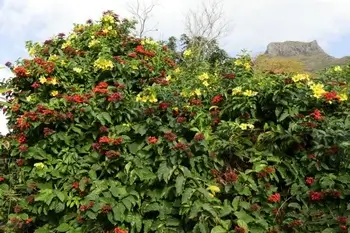
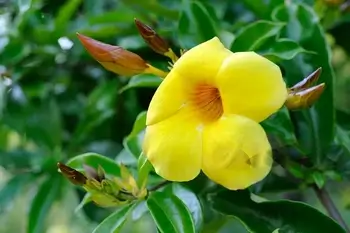
1. Golden Trumpet (Allamanda cathartica)
| Name | Description |
|---|---|
| Common Names | Allamanda Creeper, Golden Trumpet, Yellow Bell |
| Scientific Name | Allamanda Cathartica |
| Climate | Tropical and Subtropical |
| Size | Can grow up to 10-20 feet long |
| Shape | Vigorous, bushy climber |
| Blooming Season | Year-round, peak in Summer |
Golden Trumpet is the first plant I show anyone asking for yellow flowers. It’s a thick, bushy climber that looks very “paisa vasool” (worth the money) because it stays green all year. The flowers are huge, like a bright yellow bell. It loves the Indian sun—the more heat it gets, the more it blooms.
Expert Tips: I’ve found that it grows much better if you mix a little bit of cow dung manure (gobar khaad) into the soil once a month. If you’re growing it on a balcony, just make sure your pot is big enough, or the roots will get frustrated.
Uses: Balcony grills, Main gates, Compound walls
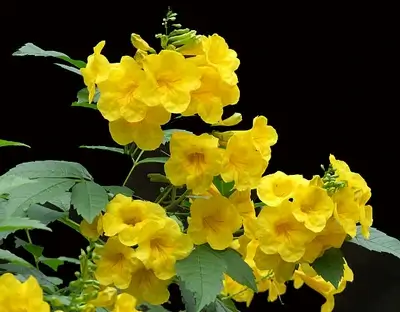
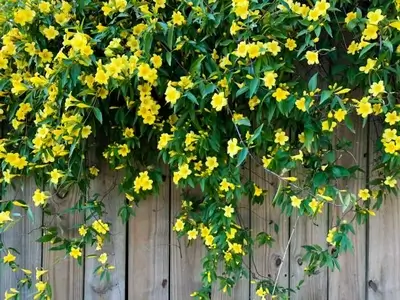
2. Carolina Jessamine (Gelsemium sempervirens)
| Name | Description |
|---|---|
| Common Names | Yellow Jessamine, Evening Trumpet Flower |
| Scientific Name | Gelsemium sempervirens |
| Climate | Subtropical to Temperate |
| Size | Can grow up to 20 feet long |
| Shape | Delicate, trumpet-shaped twiner |
| Blooming Season | Late Winter to Early Spring |
Carolina or Yellow Jessamine is for those who want flowers when everyone else’s garden become dormant. It starts blooming in late winter and early spring season. These yellow flowers are small, trumpet-shaped, and have a very sweet, calm, honey-like scent. This Jasmine variety is a “twining” climber, which means it likes to wrap itself around things like a snake.
Expert Tips: I always suggest other using a thin metal wire for this one—it looks beautiful when it wraps around a porch pillar.
Uses: Pillars, Small arches, Winter gardens
3. Yellow Butterfly Vine (Mascagnia macroptera)
| Name | Description |
|---|---|
| Common Names | Butterfly Vine, Gallinita |
| Scientific Name | Mascagnia macroptera |
| Climate | Hot and Dry to Subtropical |
| Size | Can grow up to 12-15 feet long |
| Shape | Neat, twining climber |
| Flowering Season | Summer and Fall |
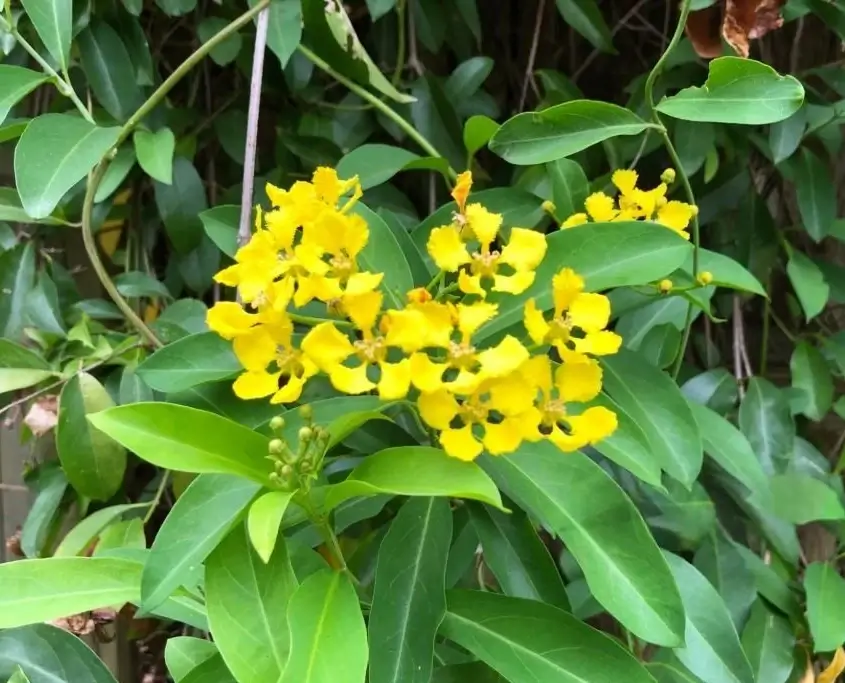
An interesting one, I love this plant because even after the flowers fall it looks nice. The seed pods look like little yellow-green butterflies! The flowers are a bright, cheerful yellow, they handle the North Indian hot summer wind (Loo) quite well. It’s a very tidy climber, so it won’t create a huge mess like some other vines.
Expert Advice: If you’re a beginner, this is a very “forgiving” plant to start with.
Uses: Garden arches, Low fences, Decorative screens
4. Yellow Trumpet Vine (Campsis radicans ‘Flava’)
| Name | Description |
|---|---|
| Common Names | Yellow Trumpet Creeper, Flava |
| Scientific Name | Campsis radicans ‘Flava’ |
| Climate | Hardy, Tropical to Temperate |
| Size | Can grow up to 30-40 feet long |
| Shape | Vigorous, woody climber |
| Flowering Season | Summer to Autumn |
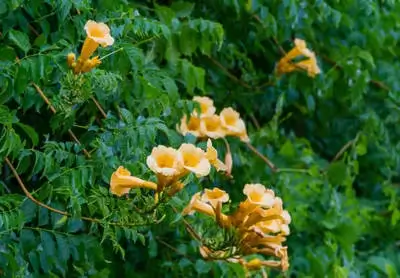
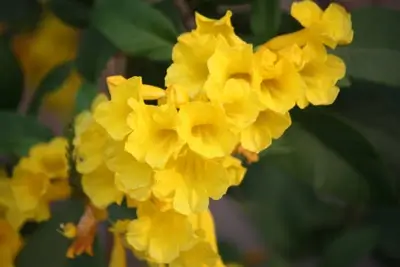
Most people know the orange one, but this yellow trumpet vine variety is much more sophisticated. It’s a woody climber, so it gets quite heavy and strong over time or as getting bigger. You’ll need a solid structure for this—don’t put it on a flimsy plastic net.
It attracts a lot of sunbirds and bees, which is great part if you want a “living” garden. Give it a good prune in the winter when it goes sleepy (dormant), and it will come back twice as strong in the spring.
Uses: Pergolas, Strong carports, Tree trunks
5. Climbing Ylang-Ylang (Hari Champa/Manorangini)
| Name | Description |
|---|---|
| Common Names | Hari Champa, Manorangini, Manoranjitham |
| Scientific Name | Artabotrys hexapetalus |
| Climate | Tropical (likes humidity) |
| Size | Can grow up to 10-15 feet long |
| Shape | Woody, sprawling climber |
| Flowering Season | Monsoon and Late Summer |
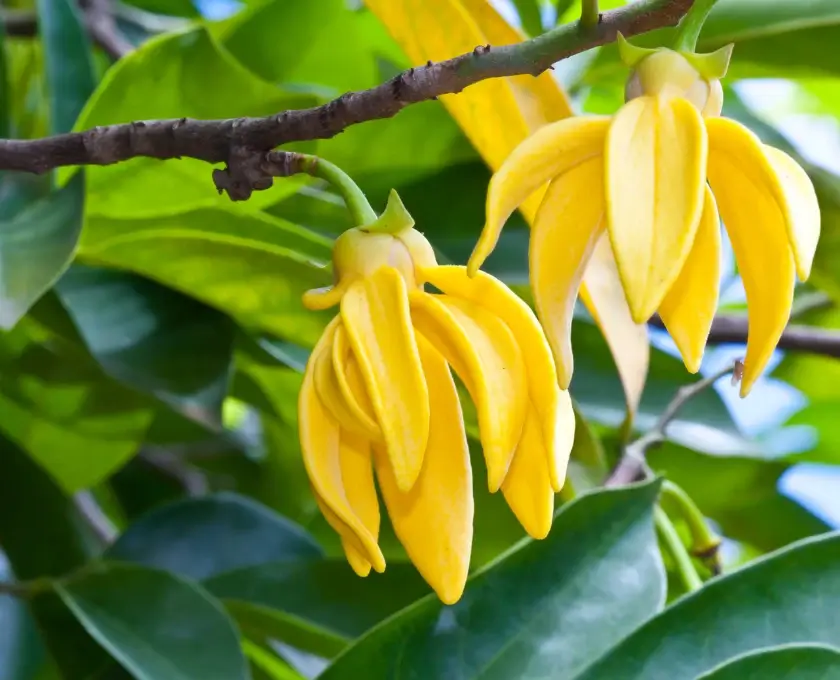
Now, this is a special one for your list. The flowers look out green initially and slowly turn a beautiful lemon yellow as they age. But the real magic is the smell—it’s one of the most fragrant plants we have in India. The magic starts in the evening, the whole space or garden smells like expensive perfume spread. It’s not as fast as a Bougainvillea, but it’s much more rewarding.
Expert Tips: It grows more like a “leaning” shrub, so you’ll definitely need to tie it to a support with some jute string to keep it going up.
Uses: Scented gardens, Near windows, Large pots
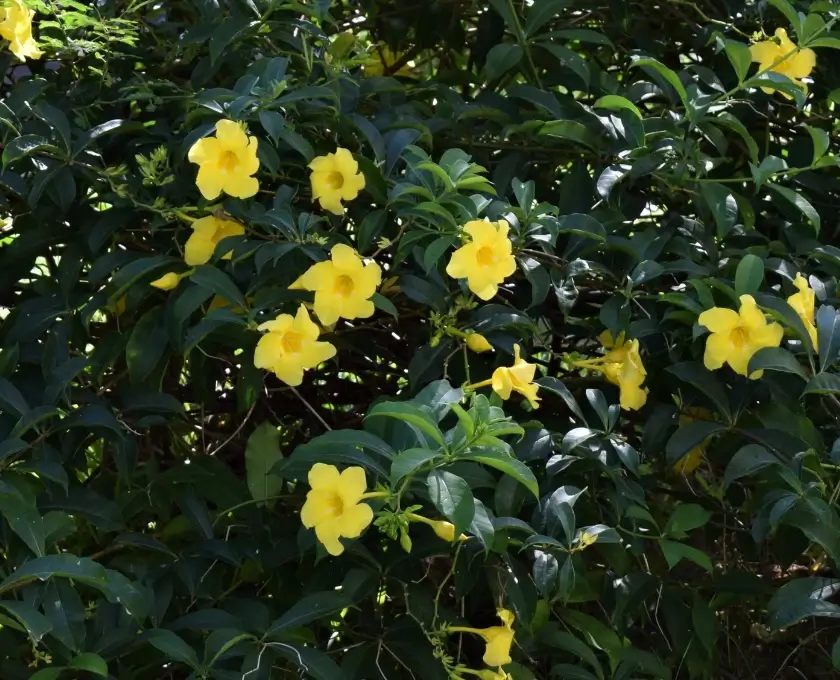
6. Yellow Mandevilla (Pentalinon luteum)
| Name | Description |
|---|---|
| Common Names | Wild Allamanda, Yellow Dipladenia |
| Scientific Name | Pentalinon luteum |
| Climate | Tropical and Subtropical |
| Size | Can grow up to 10-12 feet long |
| Shape | Slender, twining climber |
| Flowering Season | Summer to Early Fall |
A lot of people confuse this with Allamanda, but the Mandevilla is much more “nazaqat” (delicate) and elegant. The stems are thinner and it’s easier to manage if you have a small trellis. It has these shiny, dark green leaves that make the yellow flowers really pop.
Expert Tips: I’ve noticed it doesn’t like “wet feet,” so make sure not to overwater the plant. For check, just stick your finger in the soil; if it feels muddy, wait for a next-day before watering again.
Uses: Small trellises, Decorative pots, Apartment balconies
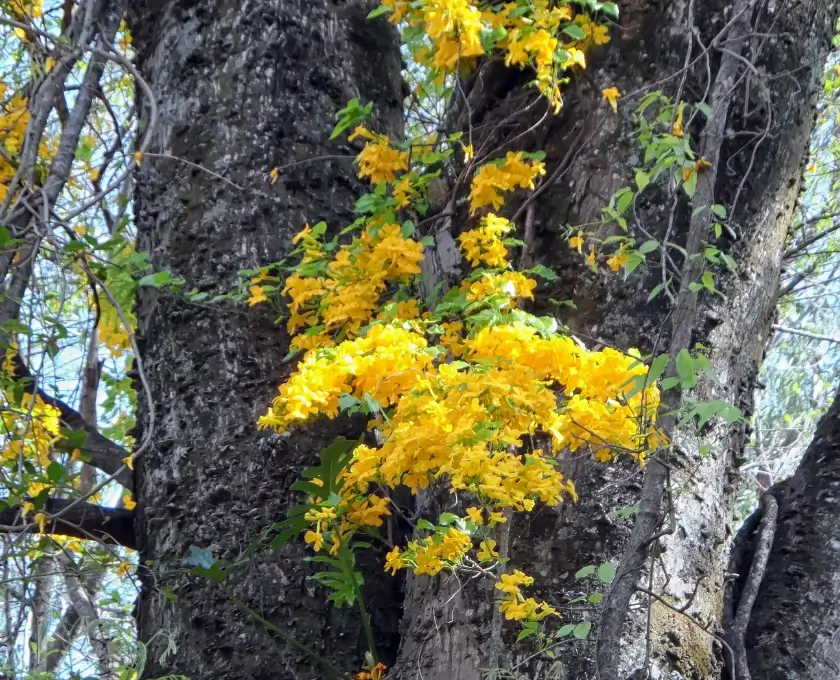
7. Cat’s Claw Vine (Macfadyena unguis-cati)
| Name | Description |
|---|---|
| Common Names | Cat’s Claw, Yellow Trumpet Vine |
| Scientific Name | Macfadyena unguis-cati |
| Climate | Tropical to Temperate |
| Size | Can grow up to 25-30 feet long |
| Shape | Self-clinging vine with tiny hooks |
| Flowering Season | Late Spring to Early Summer |
This plant looks a real “spider-man” plant! It has these tiny little hooks that look like a cat’s claw, which help it stick to even a plain cement wall without any wire or support. The yellow flowers are a bit smaller but they cover the whole plant like a golden carpet in the early summer.
Expert Tips: I always suggest people to be a bit careful with this vine—it’s a variety that grows vigorously. If you don’t trim it, it might reach your neighbor’s.
Uses: Concrete walls, Old buildings, Fence covering
Benefits of Yellow Flower Creepers
- Makes everything look bright: There’s something about yellow flowers that just makes you feel good. It makes the whole garden look happy and way less dull, especially on cloudy days.
- Brings in the “good” visitors: In the garden, butterflies and bees absolutely love these. It’s a simple way to bring more life into your space (and it helps your other plants grow better too!).
- Hides the ugly stuff: We all have that one rusty pipe or a messy corner we want to hide. I just grow these over a fence or a grill to create a natural privacy screen so the neighbors can’t peek in.
- Cleaner air to breathe: Since these creepers grow so many leaves, they are great at soaking up dust and “cleaning” the air. It’s like having a natural air purifier right on your balcony.
- Cooler sitting spots: If you let them grow over a terrace shed or a pergola, they create amazing shade. It’s much cooler sitting under the leaves when the sun is hitting hard in the afternoon.
Quick Tips & Conditions to Grow Best
Finding the right climber can transform a plain wall into a living masterpiece. There are several yellow flower creeper varieties worth exploring, depending on your climate and sunlight levels.
- The morning sun is your best friend—try to give them about 5 hours of direct light (otherwise, you’ll just get a bunch of green leaves and no flowers!).
- Since most of us do terrace gardening these days, just make sure your soil isn’t too heavy; mix in some simple khad (compost) and they’ll stay very happy.
- You’ll definitely need a bamboo stick or a strong metal grill for them to grab onto. Some of these plants grow huge once they get going!
- Regular watering is good especially during the growing season. But honestly, be careful not to drown them, as the roots can rot if the pot doesn’t drain well. For check, stick a finger in the dirt; if it feels dry an inch down, give it some water.
- These plants love warm weather, but some types can handle a bit of frost too. Choosing a species suited to your local climate conditions is important.
Maintenance Tips
- Cutting it back: I’ve found that if you don’t prune, these plants get really messy (and they stop flowering too!). Just snip off the dead or dry stems every now and then. It keeps the plant in a nice shape and helps new stems grow out faster.
- The “Food” part: You don’t need expensive stuff. I usually just throw in some simple organic compost or a bit of “khad” during the growing months. It really helps the leaves stay green and makes the flowers look great.
- Bugs control: Keep an eye out for those tiny green aphids or spiders. If you see them, just spray some neem oil mixed with soapy water. It’s a simple trick that works well without using harsh chemicals around the house.
- Ground cover: I always put a layer of dried leaves or even small stones around the base. In our hot weather, this is a lifesaver because it keeps the soil damp for longer and stops weeds from growing (nobody likes pulling weeds in the sun!).
- The “Stick” trick: If your creeper is struggling to climb, just tie it loosely to a simple bamboo stick, moss stick or a piece of jute string. It gives the plant a clear path to follow.
Summary
Adding flowering creeper plants greenery to your garden can bring a touch of sunshine and natural beauty. When you take good care of these plants and provide the right conditions, they’ll reward you with a constant show of gorgeous blooms.