

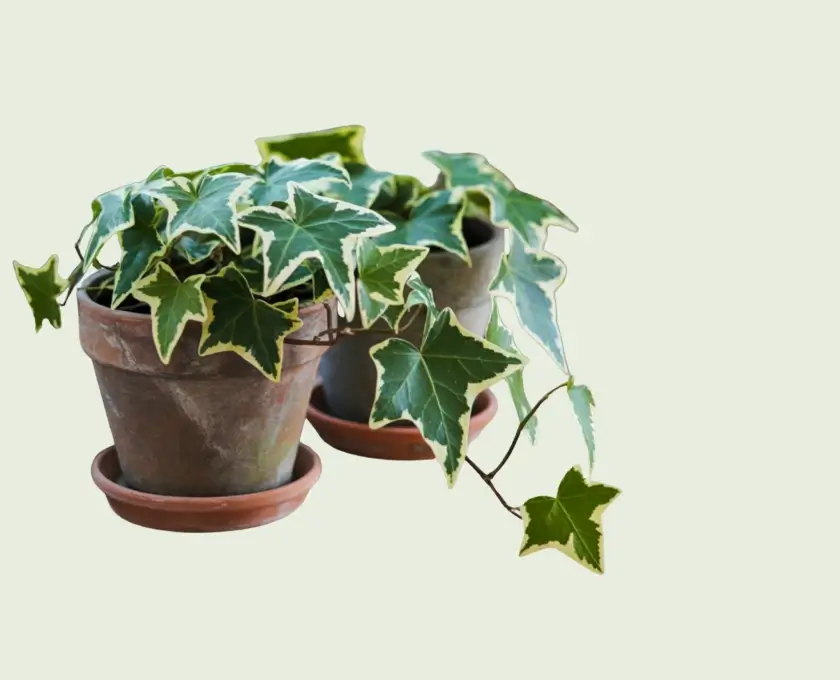
Are you looking for an Evergreen Vine that grows fast, easy to care for, and stays green all year? The English Ivy Indoor Plant (Scientific name: Hedera helix) is a classic choice don’t worry if you are a beginner. Whether it’s trailing from a shelf indoors or climbing a garden wall, this plant is honestly hard to kill.
In this guide, I’ll share my honest tips on how to keep your Ivy happy, why it’s great for your health, and how to fix common problems.
Why Every Home Needs English Ivy Indoor Plant (The Benefits)
- Air Purification: English ivy does more than look nice – it is air purifying plant that cleans your air and actually removes toxins from your home according to science. Plus, that fresh green look makes any room feel more alive.
- Low Maintenance: This plant grows fine with little care, skip watering sometimes – it survives. Ideal for people with busy schedules or beginners as well, just give it some light when you remember.
- Decorative Versatility: Makes any space look better without much effort. Trail down from shelves, climb up a trellis to cover plain walls, or fill window boxes with lush greenery. It grows well in hanging baskets, twist around poles or railings to create living decor.
- Health Improvement: This plant helps clean your home’s air, quietly works to filter out stuff you don’t want to breathe in or not good for health. It’s like having a natural air purifier that grows greener the more you ignore it.
How to Plant Your English Ivy (Step-by-Step)
If you’ve just bought a new English Ivy or got a cutting, here is how you can started:
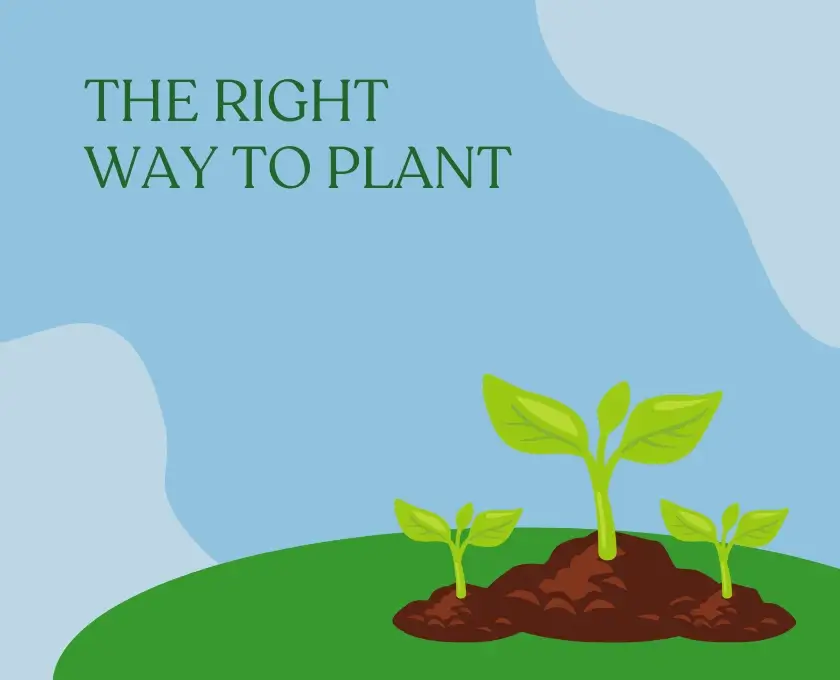
- Choose the Right Pot: For just getting started take a medium-sized pot (6-8 inches). Ensure it has at least one or two drainage holes at the bottom because Ivy don’t like “wet feet” at all.
- Prepare the Mix: The plain garden soil is not recommended as it can get too hard after some time. Mix regular potting soil with a little bit of coco-peat or you can use sand also to keep it loose and airy.
- The Planting Process (Important): Fill the pot halfway with soil.
- Place the plant in the center with soft hands. If you get plant from a nursery, gently loosen the roots at the bottom.
- Fill the pot sides with soil, pressing down lightly (not too hard!) to remove air pockets.
- Very First Watering: Initially give it a good drink until water comes out of the drainage holes. This settles the soil around the roots.
- Placement: Choose a “Bright Indirect Light Space.” A balcony with a shade or a room with a big window is perfect.
Simple Care Tips for Beginners
- Light: Put your English ivy where it gets 4-5 hours of gentle light daily – near an east-facing window is perfect. Keep it away from afternoon sun that can burn its leaves.
- Watering: Water only when the top inch of soil feels dry, this is where most people go wrong. Give it a good drink in summer, but cut back during monsoon and winter when the plant rests.
- Soil: Use regular well drained fertile soil.
- Temperature: It likes normal room temperature (10-21°C). If your room is very dry (like with AC), just spray the leaves with a little water once in a while.
Pro-Maintenance: Trimming & Feeding
- Food: From April to August, feed the plant with organic fertilizer once a month. Loosen the topsoil gently, this helps water and food reach the roots in better way.
- Pruning: Make sure to trim back long vines in spring before new growth starts. Cut just above a leaf joint – you can use scissor for thick stems, fingers for thin ones.
- Repotting: When roots fill the pot, move to a slightly larger container with fresh soil. Do this in the evening, keep in shade for 2 days, then return to its spot.
- Remove dead or sick leaves immediately. For bugs, spray leaves with neem oil solution (1 tsp oil + 1L water) – works for most common issues.
Check out other plant varieties Wall Creeper Plants and Climbers.
How to Make New Plants (Propagation)
It’s so easy to turn one plant into ten!
- Snip a 4-6 inch vine cutting that has at least one “bump” (node) where the leaf grows.
- Stick it in a glass of water (covering the bump, not the leaves) OR directly into damp soil.
- In 2-3 weeks, you’ll see roots. Once they are 2 inches long, pot them up!
Common Problems & Mistakes
- Getting Yellow Leaves? Usually it means added too much water or not enough light.
- Bugs/Spider Mites: This is common issue, if you see tiny webs or dusty leaves, don’t get panic. Mix 1 tsp of Neem oil with 1 liter of water and a drop of dish soap (bartan-dhone-ka-sabun), then spray the leaves well.
- Crispy Edges? The air is too dry or it’s getting direct sun. Move it back from the window.
Common Uses
- Ornamental Use: A super versatile plant that works anywhere – pots on desks, hanging baskets spilling green, or as living carpet in shady garden spots.
- Wall Climbing: Nature’s perfect green wallpaper. It grips cracked walls, covers ugly fences, and turns balcony grills into green curtains without any fuss.
Conclusion
English Ivy is one of the most rewarding plants for any Indian home. It looks amazing, cleans your air, and thrives even if you’re a bit forgetful with the watering can.